What Is Website Illustration Design and Why Does It Matter for B2B Brands
Website illustration design refers to the use of custom or curated visual artwork, whether hand-drawn, vector-based, or digitally rendered, to communicate ideas, emotions, and brand identity across a website. Unlike stock photography or generic icons, illustrations are intentional design assets built to serve a specific visual and strategic purpose. For B2B companies operating in increasingly competitive digital spaces, illustration has quietly become one of the most powerful tools for differentiation. It is not just decoration. When executed well, illustration design helps a website communicate complex concepts at a glance, reinforce brand personality, and guide users through a conversion journey with less friction than text alone can achieve. In 2026, with attention spans short and first impressions happening in under two seconds, the visual language of your website is not optional, it is foundational.
The Different Types of Website Illustrations and How They Function
Not all website illustrations are created equal, and understanding the distinctions helps you make smarter creative decisions. Hero illustrations are large-scale visual narratives placed at the top of a page, typically designed to anchor your value proposition in a memorable way. Spot illustrations are smaller, more contained visuals used to support body content, features lists, or service descriptions. UI illustrations are embedded directly within product interfaces or dashboards to improve usability and contextual understanding. And then there are animated or micro-interaction illustrations, SVG-based assets that move in response to user behavior, adding a layer of interactivity that static imagery simply cannot replicate. Each type serves a distinct role in the user experience, and the best illustration strategies use a thoughtful combination of all of them rather than defaulting to a single visual style throughout the entire site.
How Custom Illustration Design Works in a Professional Creative Process
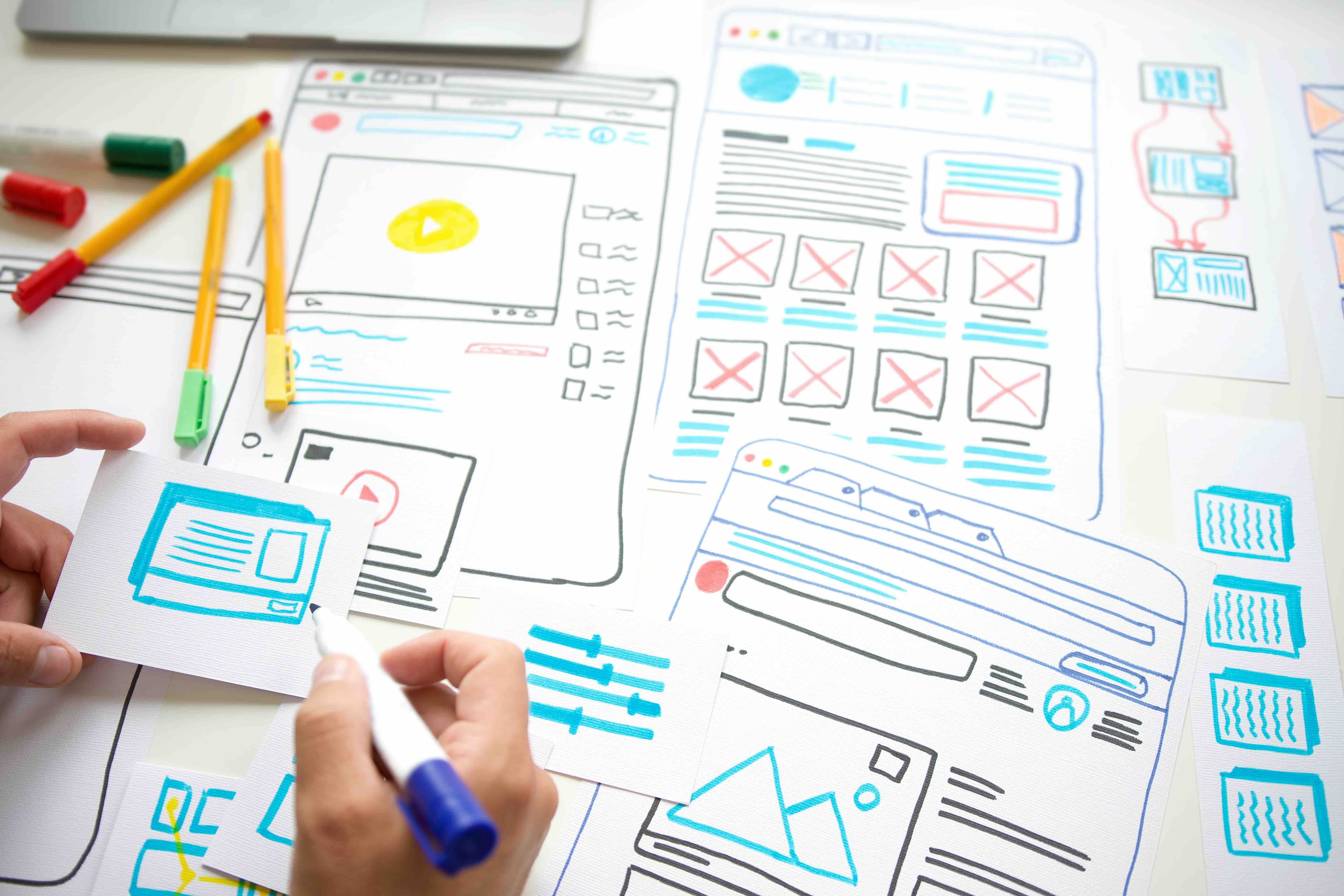
Commissioning or designing custom website illustrations is a multi-stage creative process that begins long before a single line is drawn. It starts with brand discovery, where designers work to understand your tone of voice, audience demographics, competitive landscape, and existing visual identity. From there, a visual language is established, defining color palettes, stroke weights, character styles, and compositional rules that ensure cohesion across every illustrated asset. Wireframes and layout mockups then inform where illustrations will live within the page structure, so the artwork is designed to serve the layout rather than compete with it. After initial concept sketches are reviewed and approved, final illustrations are produced in scalable vector formats like SVG, ensuring crisp rendering across all screen sizes and resolutions. The result is a fully integrated illustration system that feels native to your brand rather than assembled from disparate sources.
Key Advantages of Using Illustration Design on Your Business Website
The business case for investing in custom illustration design is more concrete than many marketing directors expect. Here is what the right illustration strategy can deliver for a B2B website:
- Stronger brand differentiation in saturated markets where competitors rely on the same stock photo libraries
- Faster communication of abstract or technical concepts that text and photography struggle to convey clearly
- Improved emotional resonance with target audiences, which directly correlates with longer session durations and lower bounce rates
- Consistent visual identity across web, social, and digital advertising without the limitations of photography logistics
- Higher perceived brand value, which is especially important for SaaS platforms, professional service firms, and agencies positioning themselves as premium providers
- Greater flexibility for accessibility and localization, since illustrations can be adapted without reshooting or relicensing imagery
- Enhanced performance in page load speeds when illustrations are properly optimized as SVG or compressed PNG assets
These advantages compound over time. A well-constructed illustration system becomes a reusable brand asset library that reduces design production costs in future campaigns and maintains visual coherence as your digital presence scales.
Common Drawbacks and Limitations Worth Knowing Before You Commit
Custom illustration design is not without its challenges, and entering a project with realistic expectations protects both your timeline and your budget. The most significant drawback is cost. High-quality custom illustration work from experienced designers requires a meaningful upfront investment that generic stock asset libraries simply do not. Revisions can also be time-intensive, especially when illustration style decisions are made late in the process rather than resolved during the discovery phase. Maintenance is another consideration that often gets overlooked. As your brand evolves, your illustration system needs to evolve with it, and that requires either retaining your original illustrator or documenting the visual style in enough detail that future contributors can match it accurately. There is also the risk of misalignment between illustration style and audience expectations. A playful, whimsical illustration approach that works brilliantly for a consumer app may feel tonally inconsistent on a website targeting enterprise procurement teams. Style selection has to be a strategic decision, not just an aesthetic one.
Illustration Design and SEO: The Connection Most Teams Miss
Illustration design has a direct impact on SEO performance that most marketing teams underestimate. Page experience signals, including Core Web Vitals metrics like Largest Contentful Paint and Cumulative Layout Shift, are influenced by how illustration assets are implemented technically. SVG files, when properly inlined or referenced, are lightweight and do not degrade page speed the way unoptimized raster images do. Additionally, well-designed illustrations reduce bounce rates by increasing visual engagement, which is a behavioral signal that search engines interpret as content quality. Alt text on illustration assets also contributes to image search discoverability and accessibility compliance, two areas that Google factors into overall site quality assessments. In 2026, a website that is visually engaging and technically sound is not a luxury, it is a ranking factor.
How to Evaluate Whether Your Website Needs a Custom Illustration System
Not every business needs a fully bespoke illustration library from day one, and it is worth making an honest assessment of your current situation before scoping a project. Start by auditing your existing visual assets. If your website relies heavily on stock photography, generic icon sets, or inconsistent visual treatments across pages, those are strong signals that your brand identity is underdeveloped relative to competitors. Next, consider your conversion funnel. If analytics show high traffic but low engagement on key pages, visual communication may be the gap between attention and action. Finally, benchmark your direct competitors. If brands competing for the same audience have invested in distinctive visual design and yours has not, you are likely ceding brand authority without realizing it. Custom illustration design becomes a priority investment the moment visual differentiation directly correlates to perceived credibility in your market.
Practical Tips for Getting the Most Out of an Illustration Design Project
Whether you are working with an in-house designer or a creative agency, there are several practices that consistently improve outcomes on illustration design engagements. Define your illustration use cases before the project begins, mapping each asset to a specific page, section, or content type. Establish a style guide that documents stroke width, color usage, proportions, and tone before full production begins, not after. Prioritize scalability in your asset formats by requesting delivery in both SVG and high-resolution PNG from the outset. Build a review process that includes stakeholders from both marketing and product to ensure the illustration system functions across every touchpoint it will touch. And invest in proper handoff documentation so your development team can implement assets cleanly without introducing layout inconsistencies. These are small operational decisions that have an outsized impact on the final quality of the work and the longevity of the system you build.
Why Kreativa Group Is the Right Creative Partner for Website Illustration Design
Illustration design done well requires a team that understands both the craft of visual storytelling and the science of digital performance. That is a combination that is rarer than most agencies will admit. Kreativa Group brings both. With a leadership team that has designed websites and digital assets for globally recognized brands including Sandals Resorts, Porsche, Audi, BMW, and international agencies like Young and Rubicam, the depth of creative experience behind every project is genuine. Having also built and exited startups like Misfit Wearables and HomeLister, the team understands that great design has to serve business outcomes, not just aesthetic ones. To date, Kreativa Group has driven over 200 million dollars in incremental revenue and launched more than two dozen websites across Webflow, Shopify, and WordPress platforms, with an average conversion rate of 4% and over 7x ROAS across paid campaigns. If your website's visual identity is holding your growth back, the right next step is to explore what a strategic creative partnership can do for your brand. Visit the Kreativa Group website for marketing and creative agency services to see the work firsthand, or take advantage of their free website and marketing growth audit to identify where custom illustration design could be making the biggest impact on your business right now.
Frequently Asked Questions About Website Illustration Design
What is the difference between custom illustration and stock illustration for websites?
Custom illustration is created specifically for your brand, ensuring visual consistency, originality, and strategic alignment with your messaging. Stock illustration is pre-made and available to any purchaser, which limits differentiation and often results in visual overlap with competitor websites using the same asset libraries.
How much does custom website illustration design typically cost?
Costs vary widely depending on scope, complexity, and the level of the creative team involved. A focused illustration system for a single-page or landing page might start around a few thousand dollars, while a full-site illustration library developed by an experienced creative agency can range from ten thousand dollars into higher figures depending on deliverable volume and animation requirements.
How long does a website illustration design project take to complete?
A well-scoped project with clear creative direction typically takes four to ten weeks from kick-off to final delivery. Projects that require extensive rounds of concept exploration or involve large asset volumes will naturally take longer. Establishing a clear style direction early in the process is the single most effective way to protect the timeline.
Can website illustrations hurt page load speed and SEO performance?
They can, if they are poorly optimized. Raster images like PNGs that are exported at unnecessarily large file sizes will negatively impact Core Web Vitals. However, vector-based SVG illustrations, when implemented correctly, are lightweight and have minimal impact on load speed. Proper optimization is a technical responsibility that should be built into the delivery process from the start.
What file formats should website illustrations be delivered in?
SVG is the preferred format for web use because it scales infinitely without quality loss and typically has smaller file sizes than raster alternatives. High-resolution PNG files are also useful as fallbacks or for use in contexts where SVG rendering is restricted. Requesting both formats from your design team at handoff is a standard best practice.
Do website illustrations need to be updated when the brand evolves?
Yes, and this is an important long-term consideration. If your brand identity shifts, whether in color, tone, or visual style, your illustration system should be updated to remain consistent. This is why thorough style documentation during the initial project is valuable. It allows future designers to extend or update the system without starting from scratch.
Is illustration design suitable for B2B websites or only B2C brands?
Illustration design is highly effective for B2B websites, particularly for communicating complex products, services, or processes in a visually accessible way. The key is selecting an illustration style that matches the expectations of a professional audience. B2B illustration tends to be more refined and conceptually grounded than the playful character-driven styles common in consumer applications.
How do illustrations impact conversion rates on a website?
Well-executed illustrations reduce cognitive load, clarify value propositions, and create emotional engagement, all of which contribute to higher conversion rates. Illustration design that is purposefully mapped to conversion goals, such as reinforcing a CTA or visualizing a service outcome, can meaningfully improve performance on key landing pages.
Can illustration design be integrated with website animation or micro-interactions?
Yes, and this is an increasingly common approach in 2026. SVG-based illustrations are particularly well-suited to animation through CSS or JavaScript libraries. Animated illustrations can draw attention to key interface elements, guide users through onboarding flows, or add a layer of interactivity that improves engagement without requiring heavy video assets.
What should I look for when hiring an agency for website illustration design?
Look for a team that demonstrates both creative range and strategic thinking in their portfolio. An agency that asks about your business goals before discussing visual style is a good sign. You should also evaluate their technical delivery process, including how they handle file formats, handoff documentation, and cross-functional collaboration with development teams.