Google AI Mode Is Changing Search: What Marketing and Creative Agencies Need to Know
Something shifted in how Google serves search results, and if you work in the marketing or creative agency space, you have probably already felt it. Google AI Mode, which rolled out more broadly in 2026, is not just another algorithm update. It is a fundamental rethinking of how search works, how results are surfaced, and critically, how your agency or your clients get found. The traditional blue-link SERP still exists, but AI Mode sits above it, synthesizing answers from across the web and presenting them in a conversational, multi-layered format that changes the discovery dynamic entirely. If your content strategy was built for 2022 search behavior, it needs a serious look right now.
What Google AI Mode Actually Is and How It Works
Google AI Mode is an AI-powered search experience built on Google's Gemini model. When a user submits a query, instead of simply returning a ranked list of web pages, AI Mode generates a synthesized response that draws from multiple sources simultaneously. Think of it as a large language model layered directly on top of Google's index, capable of multi-step reasoning and contextual follow-up queries within the same session. For agencies, this matters because the content being cited in these AI-generated responses is not always the content ranking number one organically. The model is pulling from sources it deems authoritative, relevant, and structurally easy to parse. That is a genuinely different qualification set than traditional PageRank logic, and it requires a different approach to content architecture, topical authority, and on-page optimization.
Why This Changes the Game for Marketing and Creative Agencies
Agencies are in a unique position here. You are not just managing your own visibility. You are managing visibility for your clients across multiple industries, funnel stages, and audience types. Google AI Mode introduces what search marketers are calling zero-click pressure, where users get the answer they need without ever visiting a website. That sounds alarming, but here is the more nuanced read: agencies that produce genuinely helpful, structurally sound, expert-level content are still being cited. The citation mechanism in AI Mode functions somewhat like a reference in an academic paper. The model pulls credible sources and attributes them. Getting cited in an AI Mode response can actually drive qualified traffic, sometimes more qualified than a traditional organic click, because the user already has context before arriving on your page.
The Core Ranking Signals Google AI Mode Prioritizes
Ranking in Google AI Mode is not entirely divorced from traditional SEO, but the signal weighting shifts. Here is what the evidence and testing in 2026 consistently point toward:
- Topical authority and content depth over keyword density
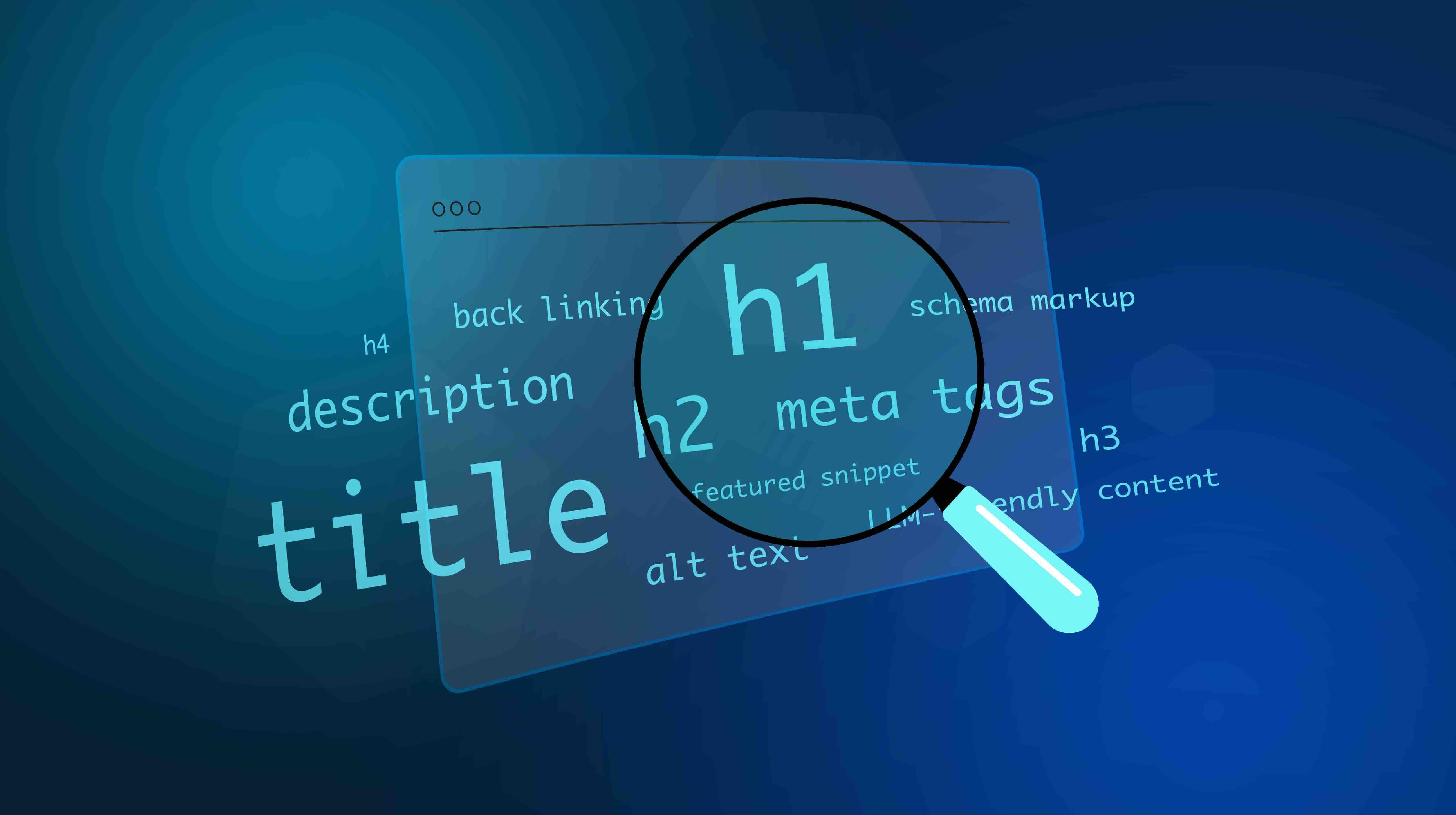
- Structured data and schema markup that helps the model parse your content
- High E-E-A-T signals, meaning demonstrable Experience, Expertise, Authoritativeness, and Trustworthiness
- Clear, declarative sentence construction that the model can lift and attribute
- Content that directly answers specific questions without excessive preamble
- Page load speed and Core Web Vitals remain baseline requirements
- Internal linking structures that demonstrate content relationships across your site
For marketing and creative agencies specifically, this means your blog content, case studies, and service pages need to function less like traditional marketing copy and more like well-structured knowledge resources. The model is looking for clarity, specificity, and authority signals baked into the content itself.
How to Optimize Your Agency Content for AI Mode Citation
The practical optimization strategy for AI Mode starts with how you frame your content. Lead with direct answers. If someone asks what a creative agency does during a brand refresh, your page should answer that in the first paragraph, not the fourth. This is sometimes called answer-first architecture, and it aligns with how the AI model scans for extractable responses. Beyond structure, you need to invest in what is now being called Generative Engine Optimization, or GEO. GEO is the discipline of formatting and positioning content specifically to be surfaced by generative AI systems. For agencies, this includes writing FAQ sections that mirror real search queries, using schema markup aggressively, building topic clusters around core service areas, and maintaining consistent entity associations across your website, Google Business Profile, and third-party citations. The agencies winning in AI Mode right now are not just ranking. They are being referenced.
Key Advantages of Ranking in Google AI Mode
The upside for agencies that successfully adapt is significant. First, citation in AI Mode responses builds brand authority at the awareness stage in a way that feels organic and credible, not paid. When a potential client is researching marketing agency services and Google's AI summarizes an answer that attributes your agency's content, that is a trust signal that no paid ad can replicate cleanly. Second, the traffic that does come through tends to be further along in the decision journey. Users who click through from an AI Mode response have already consumed a synthesized answer. They are clicking because they want more depth, more specificity, or they want to engage with the source directly. That intent profile is high-value. Third, AI Mode visibility compounds over time. As your content gets cited more frequently, your entity authority with Google's systems grows, which creates a reinforcing cycle that becomes a durable competitive advantage.
The Drawbacks You Should Not Ignore
There are real challenges here and agencies should not walk into AI Mode optimization with rose-colored glasses. The most immediate drawback is measurement complexity. Traditional organic traffic metrics do not fully capture AI Mode impressions or citations. If your content is being referenced in synthesized responses but users are not clicking through, your analytics dashboard may show flat or declining organic traffic even while your brand visibility is actually increasing. That gap between visibility and measurable traffic creates reporting friction, especially for client-facing agencies. Additionally, AI Mode is still evolving rapidly. Google is iterating on how the model selects sources, what it cites, and how it handles YMYL, meaning Your Money or Your Life, content categories. Strategy that works well in Q1 of 2026 may need recalibration by Q3. Agencies need to build agility into their SEO and content workflows rather than treating AI Mode optimization as a one-time project.
Practical Tips to Start Ranking in Google AI Mode Today
If you are ready to move from understanding to execution, here is where to focus attention immediately. Audit your existing content library for answer density. Identify pages where the core question being addressed is buried. Restructure those pages so the answer surfaces within the first 100 words. Next, implement FAQ schema across your service pages, blog posts, and case studies. This markup directly supports how AI Mode parses and attributes content. Invest in building out topic clusters, not just individual keyword-targeted pages. AI Mode rewards demonstrable topical coverage across a subject area, so a creative agency that has ten deeply useful articles about brand identity strategy will outperform one that has a single over-optimized landing page. Finally, treat your agency's own digital presence as a proof-of-concept. If you cannot rank your own site in AI Mode results, that is a credibility gap worth closing before pitching AI Mode SEO services to clients.
Measuring Success When Traditional Metrics Fall Short
Rethinking your measurement framework is not optional here. AI Mode performance requires tracking beyond session counts and keyword rankings. In 2026, the more useful signals include brand mention velocity across the web, referral traffic from AI-adjacent platforms and tools, share of voice within your core service categories, and direct or branded search volume trends that indicate growing awareness. For agency clients, this means having a conversation about what success looks like in an AI-first search environment before the engagement begins. Setting expectations around brand visibility, content citation rates, and assisted conversion attribution will serve you better than over-indexing on organic traffic numbers that no longer tell the whole story.
Why Kreativa Group Is the Agency Partner You Want for This
Navigating Google AI Mode is not a task for a generalist content team or an SEO vendor running outdated playbooks. It requires an agency that understands both the technical architecture of modern search and the creative discipline needed to produce content that actually earns citation and trust. That is exactly what Kreativa Group was built to do. Based in Los Angeles and Miami, Kreativa Group brings a leadership team with hands-on experience managing paid and organic strategies for multi-billion dollar brands including Newegg, Rakuten, and Fossil Group, and creative work for globally recognized names like Sandals Resorts, Porsche, and Audi. With over 200 million dollars in incremental revenue driven, an average ROAS above 7x, and certification as a Google Ads, Amazon Ads, Shopify, and Webflow Partner Agency placing them in the top 1 percent of US-based agencies, the team brings both strategic depth and executional precision. If you are serious about building visibility in AI Mode and turning search into a genuine growth lever, explore what a partnership with Kreativa Group's marketing and creative agency looks like. Better yet, take the first concrete step and claim your free growth audit to uncover AI Mode ranking opportunities specific to your business.
Frequently Asked Questions About Ranking in Google AI Mode
What is Google AI Mode and how is it different from regular Google Search?
Google AI Mode is a generative AI-powered search experience built on the Gemini model that synthesizes answers from multiple sources instead of simply returning a ranked list of links. Unlike traditional search, it generates a conversational response that may cite several web pages simultaneously, changing how visibility and traffic work for websites.
Does traditional SEO still matter for Google AI Mode?
Yes, traditional SEO fundamentals still apply, but the signal weighting shifts. Core Web Vitals, backlink authority, and on-page optimization remain important, but AI Mode places significantly more emphasis on topical authority, content structure, schema markup, and E-E-A-T signals than keyword-match logic alone.
How does Google AI Mode decide which sources to cite?
Google AI Mode selects sources based on perceived authority, content clarity, structural accessibility, and relevance to the query. Pages with strong E-E-A-T signals, well-implemented schema markup, and direct answer formatting are more likely to be surfaced and cited in AI-generated responses.
What is Generative Engine Optimization and why does it matter?
Generative Engine Optimization, commonly referred to as GEO, is the practice of structuring and formatting content specifically to be recognized and cited by generative AI systems like Google AI Mode. It involves answer-first content architecture, schema implementation, topic clustering, and entity association strategies that go beyond traditional SEO tactics.
Can my agency still drive traffic if users are getting answers without clicking?
Yes. While zero-click behavior does reduce some traffic volume, users who do click through from AI Mode responses tend to have higher purchase intent because they have already consumed a synthesized answer. Additionally, citation in AI responses builds brand awareness even without a click, contributing to branded search volume over time.
How long does it take to see results from AI Mode optimization?
Results vary depending on your site's existing authority, content depth, and technical infrastructure. Agencies with strong E-E-A-T signals and well-structured content may see citation improvements within weeks of implementing GEO best practices. For newer sites or thinner content libraries, a three to six month investment is a realistic expectation.
Is schema markup required to rank in Google AI Mode?
Schema markup is not strictly required, but it substantially increases the probability of your content being parsed and cited correctly by the AI model. FAQ schema, Article schema, and Organization schema are particularly valuable for marketing and creative agency websites targeting AI Mode visibility.
How do I measure success in Google AI Mode if traffic metrics are unreliable?
Supplement traditional traffic metrics with brand mention monitoring, branded search volume trends, referral traffic from AI-adjacent platforms, and share of voice analysis within your core service categories. Setting client expectations around these broader visibility indicators is essential before beginning an AI Mode optimization engagement.
Should creative agencies optimize their own websites for AI Mode or just their clients?
Both, and in that order. Your agency website functions as a live proof of concept for your capabilities. If you cannot demonstrate AI Mode visibility for your own brand and service categories, it undermines your credibility when selling these services to clients. Start with your own site and use the results as a case study.
What types of content perform best in Google AI Mode for marketing agencies?
Content that performs consistently well in AI Mode includes in-depth educational articles, structured FAQ pages, well-sourced case studies, and service pages that lead with direct, declarative answers. Content organized into logical topic clusters around core service areas tends to outperform isolated keyword-targeted pages because it signals comprehensive subject matter authority to the AI model.