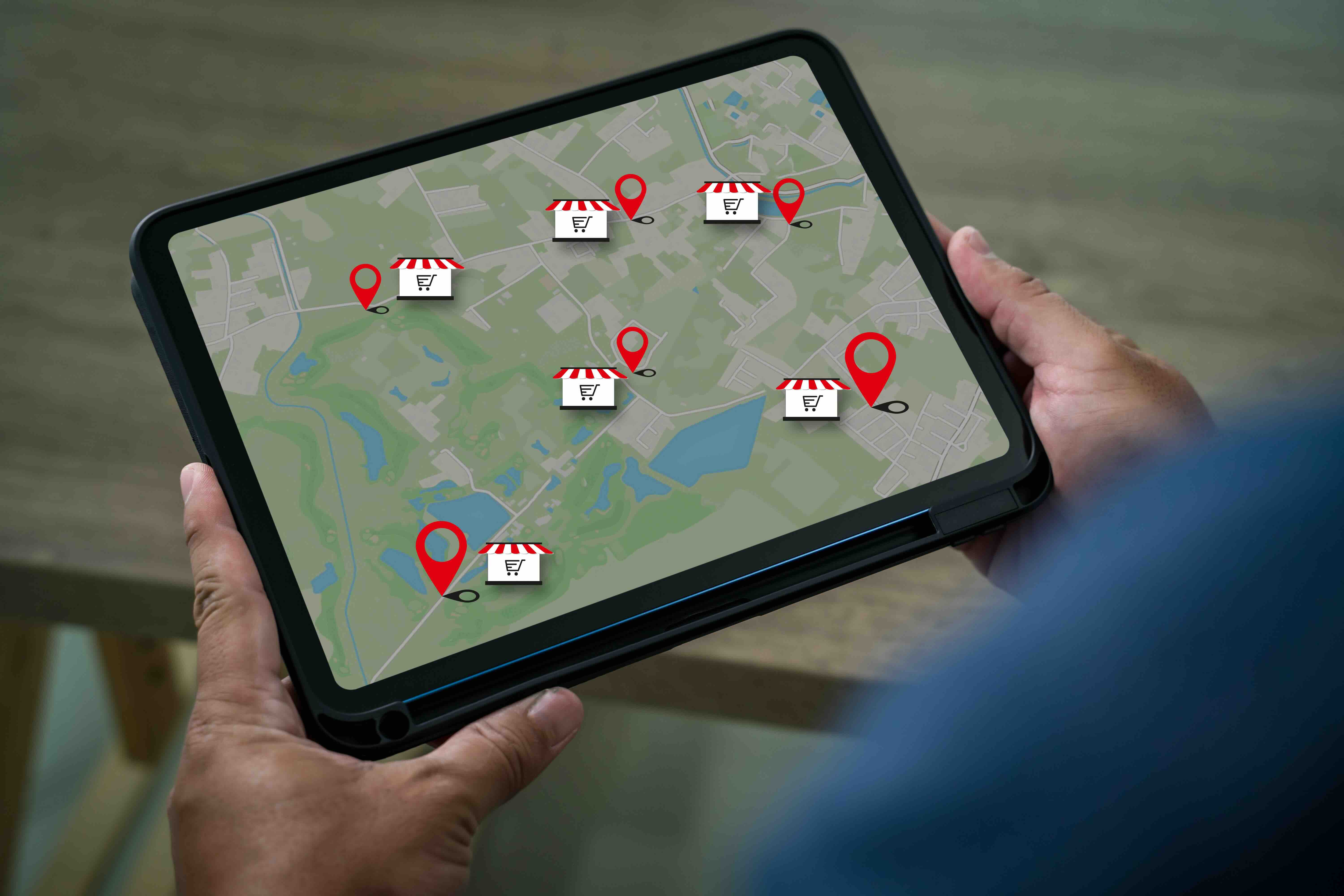
What Is Geo-Targeting for Ecommerce Brands and Why Should You Care
If you are running an ecommerce brand in 2026 and you are not thinking about geo-targeting, you are leaving a significant amount of revenue on the table. Geo-targeting, sometimes referred to as location-based targeting or geographic segmentation, is the practice of delivering different marketing messages, pricing strategies, promotional offers, or even entirely different site experiences to users based on their physical location. This could mean country, state, city, or even a specific zip code. It sounds simple in concept, but the execution is where most brands either get it right or get it completely wrong. The underlying mechanism relies on IP address detection, GPS data from mobile devices, and sometimes user-declared location inputs to determine where a shopper is located in real time. Once that location signal is confirmed, your marketing system routes that user to the most contextually relevant version of your content, offer, or ad creative. Done well, geo-targeting becomes one of the most precise tools in an ecommerce brand's performance marketing arsenal.
How Geo-Targeting Actually Works Behind the Scenes
The technical backbone of geo-targeting for ecommerce is worth understanding, even if you are not an engineer. When a user lands on your website or sees one of your digital ads, your platform collects a location signal. For websites, this is typically the user's IP address, which is then cross-referenced against a geo-IP database to determine approximate location. For mobile advertising, GPS data can offer far greater precision. On the ad platform side, tools like Google Ads, Meta Ads Manager, and Amazon DSP allow advertisers to define geographic targets down to a radius around a specific address. Your ecommerce platform itself, whether that is Shopify, WooCommerce, or a headless commerce build, can then be configured to serve localized experiences including region-specific currencies, language variants, shipping estimates relevant to that location, and locally relevant promotions. The whole system works in real time, often in milliseconds, and when it is properly configured, the user has no idea how much customization just happened before the page finished loading.
The Key Advantages of Geo-Targeting for Ecommerce Performance
This is where things get genuinely exciting from a growth perspective. Geo-targeting allows ecommerce brands to move away from broad, generalized marketing and toward hyper-relevant experiences that convert at meaningfully higher rates. Some of the most impactful advantages include the following.
- Improved ad relevance and quality scores across paid channels
- Higher conversion rates driven by localized offers and messaging
- Reduced wasted ad spend by suppressing ads in markets where you do not ship or where demand is historically low
- Ability to run geo-specific promotions tied to regional events, holidays, or seasonal demand shifts
- Better inventory management when demand signals are segmented by location
- Competitive conquest opportunities by targeting users near a competitor's physical location
- Dynamic pricing and currency localization that reduces cart abandonment among international shoppers
When geo-targeting is layered into a full-funnel paid media strategy, the efficiency gains become compounding. You are not just saving money on bad impressions. You are actively increasing the relevance of every dollar you spend.
Common Drawbacks and Limitations You Should Know About
Now, in fairness, geo-targeting is not without its complications. IP-based location detection is not perfectly accurate. VPNs, shared networks, and mobile carrier routing can sometimes place a user in the wrong geographic zone, which can create friction if your site automatically redirects them to a regional storefront that does not match their actual location. There is also the matter of compliance. If you are targeting users across multiple countries, you need to be mindful of data privacy regulations including GDPR in Europe and various state-level privacy laws in the US that govern how location data can be collected and used. Over-segmentation is another pitfall. Some brands get so granular with their geo-targeting that their audience pools become too small to generate statistically significant performance data, making optimization nearly impossible. And finally, the operational complexity of managing multiple geo-specific creative variants, landing pages, and promotional calendars should not be underestimated. Without the right systems and agency support in place, geo-targeting can become a resource drain rather than a revenue driver.
Geo-Targeting Strategies That Actually Move the Needle
Getting practical for a moment here because strategy without execution is just theory. For ecommerce brands looking to implement or improve their geo-targeting, the highest-impact entry points tend to be in paid search and paid social. On Google Ads, bid adjustments by location allow you to automatically increase or decrease your bids based on the historical conversion rate of a given region. If users in the Northeast convert at twice the rate of users in the Southwest for a particular product category, your bids should reflect that. On Meta, geo-layering allows you to create audience segments that combine location data with behavioral and interest signals, producing a compound targeting effect that tends to outperform either signal in isolation. For brands with both an ecommerce presence and physical retail, geo-fencing around store locations creates a powerful bridge between digital and in-store behavior. Email marketing can also be geo-enriched using zip code data collected at checkout to send region-specific campaigns tied to local weather, events, or fulfillment windows.
Localizing Creative for Geographic Markets Without Losing Brand Consistency
One of the more nuanced challenges in geo-targeting is maintaining brand consistency while still delivering genuinely localized creative. The temptation is to either localize everything and fragment your brand identity, or localize nothing and miss the conversion lift entirely. The right approach sits somewhere in the middle. Your brand's visual identity, tone of voice, and core value proposition should remain constant across all geographic variants. What changes is the contextual layer: the imagery, the promotional offer, the social proof, and sometimes the product emphasis. A skincare brand, for example, might lead with UV protection messaging in California while leading with winter moisture messaging in Minnesota. Same brand, same product, entirely different reason to buy depending on where the customer lives. This kind of message-market fit is what separates brands that see marginal lifts from geo-targeting versus those that see transformative ones.
Measuring Geo-Targeting Performance the Right Way
Attribution is always the tricky part of any performance marketing conversation, and geo-targeting adds another variable to track. The most useful framework for measuring geo-targeting effectiveness is a geographic incrementality test. You designate matched market pairs, regions that are demographically and behaviorally similar, and run your geo-targeted campaigns in one while holding back in the other. The difference in conversion rate, revenue per visitor, or customer acquisition cost between the two groups gives you a clean read on the incremental lift your geo-targeting is actually driving. Outside of formal testing, you should be monitoring location-segmented performance data in Google Analytics 4, your ad platforms, and your ecommerce platform's native reporting. Look for patterns in conversion rate by region, average order value by city or state, and return rate by geography. These signals tell you where your brand resonates and where it does not, which is incredibly useful input for both your creative strategy and your media allocation decisions.
Geo-Targeting and International Ecommerce Expansion
For ecommerce brands with ambitions beyond the domestic market, geo-targeting becomes even more critical. International expansion without geo-specific infrastructure is a fast path to wasted spend and frustrated customers. At minimum, international geo-targeting should include currency localization, language adaptation, region-specific payment method support, and shipping transparency. On the marketing side, international geo-campaigns need to account for significant differences in platform usage by country. Google dominates search in the US, but that is not universally true elsewhere. Social commerce behavior also varies dramatically by region. The brands that succeed in international ecommerce expansion treat each new market as its own media and creative challenge, not a copy-paste of their domestic playbook.
Why Kreativa Group Is the Right Partner for Your Geo-Targeting Strategy
Geo-targeting done right requires a rare combination of creative sophistication, technical fluency, and performance marketing expertise. That is exactly what Kreativa Group brings to the table. Based in Los Angeles and Miami, Kreativa Group's leadership team has managed paid media for multi-billion dollar brands including Newegg, Rakuten, and Fossil Group, and has built digital experiences for globally recognized names like Sandals Resorts, Porsche, Audi, and BMW. The team has also navigated the scrappy, high-stakes world of startups, having worked with and successfully exited companies like Misfit Wearables and HomeLister. To date, Kreativa Group has driven over $200 million in incremental revenue, averaged over 7x ROAS and a 4% conversion rate, and launched more than two dozen websites across Shopify, Webflow, and WordPress. As a certified Google Ads, Amazon Ads, Shopify, and Webflow Partner Agency, Kreativa Group sits in the top 1% of all US-based agencies across those certifications. The difference is that Kreativa Group measures success by business outcomes, not vanity metrics. If you are ready to unlock the revenue potential of precise geographic targeting, explore what a partnership looks like at Kreativa Group's ecommerce marketing agency, or take the first step with a free ecommerce growth audit tailored to your brand's specific goals and geographic opportunity.
Frequently Asked Questions About Geo-Targeting for Ecommerce Brands
What is geo-targeting in ecommerce marketing?
Geo-targeting in ecommerce marketing is the practice of delivering customized ads, website experiences, pricing, or promotional content to users based on their geographic location, using signals like IP address, GPS data, or user-declared location.
How accurate is IP-based geo-targeting for ecommerce brands?
IP-based geo-targeting is generally accurate at the country and regional level, but it can be less precise at the city or zip code level. Factors like VPN usage and mobile carrier routing can introduce inaccuracies, which is why layering multiple location signals is recommended when precision is critical.
Can geo-targeting improve my ecommerce conversion rate?
Yes. When geo-targeting is used to deliver more contextually relevant messaging, localized offers, and region-specific product emphasis, it typically produces meaningful improvements in conversion rate by reducing the disconnect between what a user expects and what they encounter on your site or in your ads.
What platforms support geo-targeting for ecommerce advertising?
Google Ads, Meta Ads Manager, Amazon DSP, TikTok Ads, Pinterest Ads, and most major programmatic platforms support geographic targeting. Each platform offers varying degrees of location granularity, from country-level down to radius-based targeting around specific addresses.
Is geo-targeting compliant with data privacy regulations?
Geo-targeting itself is generally permissible, but the method of collecting location data must comply with applicable regulations including GDPR, CCPA, and other regional privacy laws. Brands should work with legal counsel and ensure their data collection practices include proper consent mechanisms.
What is geo-fencing and how is it different from geo-targeting?
Geo-fencing is a subset of geo-targeting that creates a virtual boundary around a specific physical location, such as a retail store or competitor location, and triggers ads or messages when a user enters or exits that boundary. Geo-targeting is the broader category that includes all forms of location-based marketing.
How should ecommerce brands approach geo-targeting for international markets?
International geo-targeting should include currency localization, language adaptation, region-appropriate payment methods, and market-specific creative that reflects local cultural context. Each new market should be treated as a distinct campaign environment rather than a replication of domestic campaigns.
What budget is needed to run effective geo-targeted ecommerce campaigns?
There is no universal minimum, but geo-targeted campaigns require enough budget to generate statistically significant data within each geographic segment. Over-segmenting with too little budget per region is a common mistake that leads to inconclusive data and poor optimization outcomes.
How do I measure the effectiveness of geo-targeting for my ecommerce brand?
The most reliable method is a geographic incrementality test using matched market pairs. Supplementary measurement includes monitoring location-segmented performance data in Google Analytics 4, your ad platforms, and your ecommerce platform's native reporting to track conversion rate, average order value, and customer acquisition cost by region.
Can small ecommerce brands benefit from geo-targeting, or is it only for large brands?
Geo-targeting is accessible and beneficial for ecommerce brands of all sizes. Even small brands can use location-based bid adjustments in Google Ads or region-specific audience segments in Meta to improve relevance and reduce wasted spend, without requiring enterprise-level budgets or infrastructure.