What Is UX Design and Why It Matters More Than You Think
At its core, UX design, short for user experience design, is the practice of creating digital products and environments that feel intuitive, efficient, and genuinely satisfying to use. It is not just about aesthetics. It is about how something works, how it feels, and whether a person can accomplish what they set out to do without friction. In the context of marketing and creative agencies, UX design sits at the intersection of strategy, psychology, and craft. It shapes how potential customers interact with your brand the moment they land on your website, click through a campaign, or navigate a digital product. And in 2026, with attention spans shorter and competition louder than ever, a well-considered user experience is not optional. It is a competitive differentiator.
Breaking Down the UX Design Process
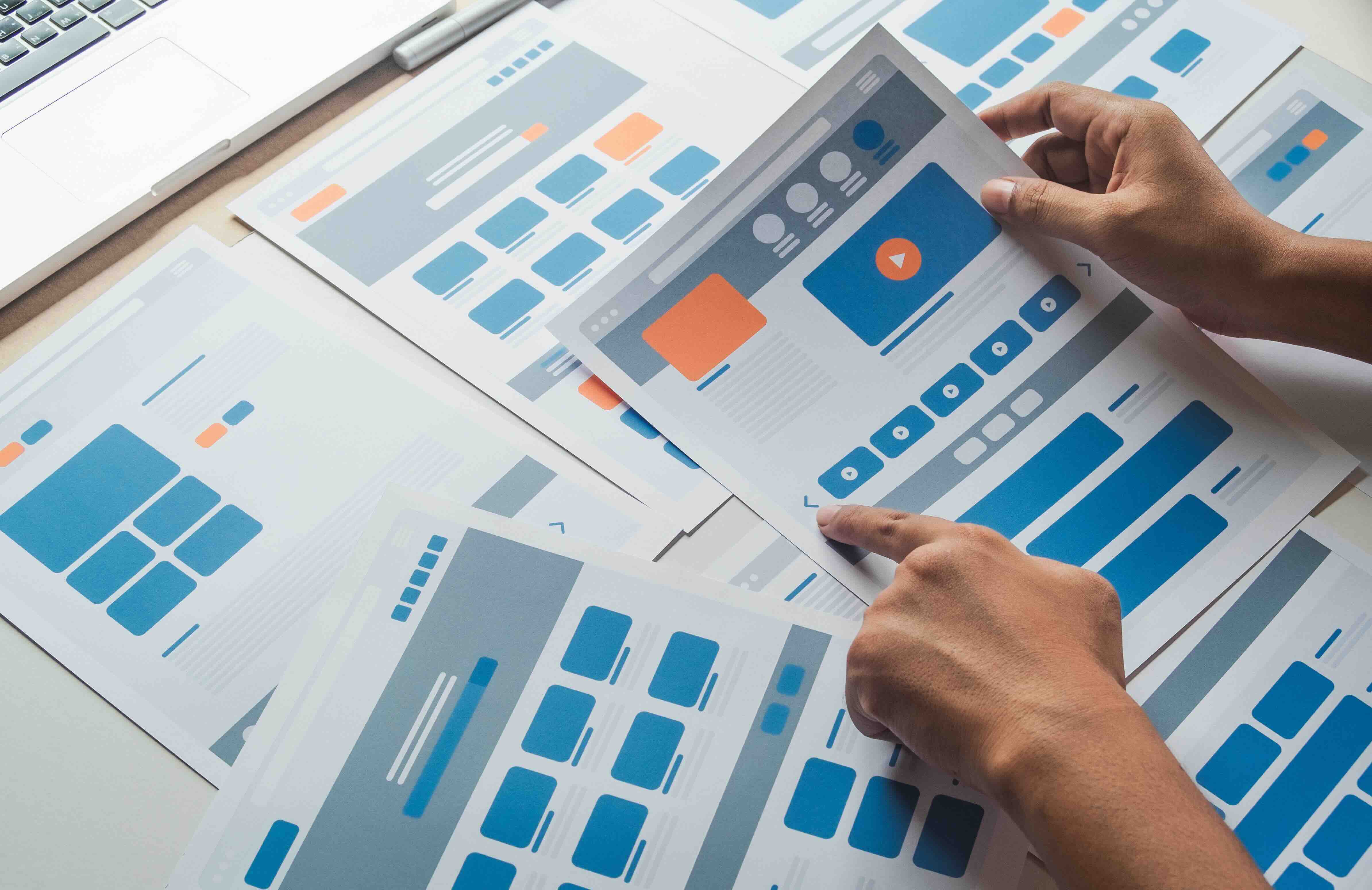
UX design follows a structured, iterative methodology. It typically begins with user research, where designers gather qualitative and quantitative data about who the target audience is, what they need, and where current experiences fall short. This feeds into information architecture, the organizational framework that determines how content and features are structured. From there, wireframing and prototyping allow teams to sketch and test concepts before any pixel is perfected. Usability testing then validates those concepts against real user behavior, revealing gaps that assumptions alone would never surface. Finally, the design is refined and handed off for development with detailed specifications. Each phase informs the next, and revisiting earlier stages based on new data is not a setback. It is the whole point.
UX Design vs. UI Design: An Important Distinction
These two terms get conflated constantly, and it creates real confusion for business owners trying to brief an agency. UI design, or user interface design, focuses specifically on the visual layer of a digital product. Think typography, color palettes, button styles, and iconography. UX design is the broader discipline that encompasses UI but extends into the full journey a user takes. A website can be visually stunning and still be a nightmare to navigate. Conversely, a plain-looking product with exceptional UX can outperform a polished competitor in conversion metrics every single time. When evaluating agency partners or internal creative teams, it is worth asking explicitly whether they approach UX as a strategic function or simply as a precursor to visual production.
Key Advantages of Investing in UX Design
The business case for UX investment is well-documented and consistently compelling. Here is a clear-eyed look at the primary advantages that organizations realize when UX design is treated as a core strategic function rather than a cosmetic afterthought.
- Improved conversion rates by reducing friction in key user flows
- Reduced customer support costs when interfaces are self-explanatory
- Faster user onboarding, which is critical for SaaS and B2B platforms
- Stronger brand perception and trust, particularly in first-time interactions
- Lower development costs long-term, because problems are caught in research and prototyping rather than post-launch
- Higher customer lifetime value, as intuitive experiences keep users engaged and returning
Agencies that build UX design into their process from the outset, rather than layering it in at the end, consistently see stronger performance outcomes across paid media, organic traffic, and direct engagement metrics. The design does not just look good. It works.
Common UX Design Challenges and Drawbacks
No discipline is without its complications, and UX design is no exception. One of the most persistent challenges is organizational alignment. UX recommendations often require cross-functional buy-in, from product, engineering, marketing, and executive leadership simultaneously. Without that alignment, even the most rigorous user research can get deprioritized in favor of faster, cheaper decisions. Another common friction point is the tendency to conflate user preferences with user behavior. What people say they want and what they actually do in a digital environment are frequently different things, and a poorly designed research protocol will produce misleading data that drives misguided design choices. Time constraints are also a real factor. Thorough UX work takes time, and in fast-moving campaign cycles, teams often cut corners in the research phase, which tends to surface as poor performance down the line.
How UX Design Impacts Marketing Performance
This is where the conversation gets genuinely interesting for marketing leaders. UX design directly affects the performance of every channel you invest in. Consider paid media. You can build a technically sound Google Ads or Meta campaign with strong targeting and competitive creative, but if the landing page experience is confusing or slow, you are paying to drive traffic into a leaking funnel. The same logic applies to SEO. Google's Core Web Vitals, which measure load speed, interactivity, and visual stability, are direct UX metrics that influence organic search rankings. Email marketing click-through rates depend on where a link lands and what the user encounters next. In every case, UX design is the downstream factor that either amplifies or undermines the upstream investment. Treating it as an isolated design concern misses the full picture.
UX Design Best Practices for B2B Brands
B2B digital experiences carry their own set of demands. Buyer journeys are longer, decision-making units are larger, and the stakes per conversion are significantly higher than in most B2C contexts. Effective UX design for B2B brands prioritizes clarity of value proposition above all else. A visitor to your website or landing page should understand within seconds what you do, who you do it for, and why they should care. Navigation structures should support both first-time explorers and return visitors who know exactly what they are looking for. Content hierarchies should guide buyers naturally from awareness to consideration without requiring them to work for it. Accessibility is also a non-negotiable in 2026. Designing for diverse users, including those using assistive technologies, is both a legal consideration and a fundamental expression of inclusive design thinking.
Practical Tips for Evaluating Your Current UX
You do not need a full agency engagement to start understanding where your current digital experience is falling short. There are several accessible approaches that provide meaningful signal quickly.
- Conduct a heuristic evaluation against established usability principles to identify obvious friction points
- Review session recordings using tools like Hotjar or Microsoft Clarity to observe real user behavior
- Analyze drop-off points in your funnel using Google Analytics 4 event tracking
- Run five-user moderated usability tests on key pages or flows, even informal sessions reveal patterns
- Benchmark your Core Web Vitals scores using Google's PageSpeed Insights and prioritize fixes above the fold
- Survey existing customers about pain points in their experience with your digital touchpoints
These diagnostics are not exhaustive, but they build a foundation of evidence that can inform where to focus design and development resources for maximum impact. The goal is always to move from assumption to observation, from gut instinct to behavioral data.
Why Kreativa Group Approaches UX Design Differently
If you are evaluating UX design partners and want an agency that treats experience design as a business performance lever rather than a visual exercise, Kreativa Group is worth a serious look. Based in Los Angeles and Miami, Kreativa Group brings a rare combination of enterprise-level expertise and startup agility to every engagement. Their leadership team has designed digital experiences for globally recognized brands including Sandals Resorts, Porsche, Audi, and BMW, as well as produced work for storied agencies like Young and Rubicam. They have also operated inside high-growth startups like Misfit Wearables and HomeLister, which means they understand the pressure of building fast without sacrificing quality. To date, Kreativa Group has launched over two dozen websites across Webflow, Shopify, and WordPress, driven over 200 million dollars in incremental revenue, and maintained an average conversion rate of 4 percent across client portfolios. They are certified Google Ads, Amazon Ads, Shopify, and Webflow partners, placing them among the top one percent of agencies in the United States. What actually sets them apart, though, is their orientation toward business outcomes rather than vanity metrics. If you want a partner who designs with conversion, retention, and revenue in mind, explore what Kreativa Group's marketing and creative agency services can do for your brand, or take advantage of their free growth audit to identify UX and performance gaps in your current digital experience.
Frequently Asked Questions About UX Design
What does UX design stand for?
UX design stands for user experience design. It refers to the process of designing digital products and environments that are intuitive, efficient, and satisfying for the people who use them.
What is the difference between UX and UI design?
UI design focuses on the visual interface elements like colors, typography, and buttons. UX design encompasses the full user journey, including research, information architecture, usability, and the overall experience of interacting with a product or platform.
Why is UX design important for B2B companies?
B2B buyers have longer decision cycles and higher expectations for clarity and professionalism. Strong UX design helps communicate value faster, reduces friction in the consideration phase, and increases the likelihood of conversion and retention.
How does UX design affect SEO?
Google's Core Web Vitals directly incorporate UX metrics such as load speed, interactivity, and layout stability. Poor UX performance on these measures can negatively impact organic search rankings regardless of content quality.
How long does a UX design project typically take?
Timelines vary significantly based on project scope. A focused UX audit might take one to two weeks. A full end-to-end design engagement for a website or digital product can range from six weeks to several months depending on complexity and research depth.
What is usability testing in UX design?
Usability testing is the process of observing real users as they attempt to complete tasks within a digital product. It reveals friction points, confusion, and failure patterns that designers and stakeholders are often too close to the work to see on their own.
Can UX design improve conversion rates?
Yes, and significantly. Removing friction from key user flows, clarifying calls to action, and improving page load performance are all UX interventions with documented positive impact on conversion rate performance.
What tools do UX designers use?
Common tools include Figma for wireframing and prototyping, Hotjar and Microsoft Clarity for behavioral analytics, Google Analytics 4 for funnel analysis, and UserTesting or Lookback for moderated usability sessions.
Is UX design only relevant for websites?
No. UX design principles apply to any digital touchpoint where a user interacts with your brand, including mobile applications, email campaigns, digital ads, onboarding flows, customer portals, and even chatbot interactions.
How do I know if my current UX is hurting my business?
Signs include high bounce rates on key landing pages, low time-on-site metrics, poor conversion rates relative to traffic volume, elevated customer support inquiries about how to use your platform, and negative user feedback about navigation or clarity.