What Is Shopify CRO and Paid Media, and Why Does It Matter for Your Brand?
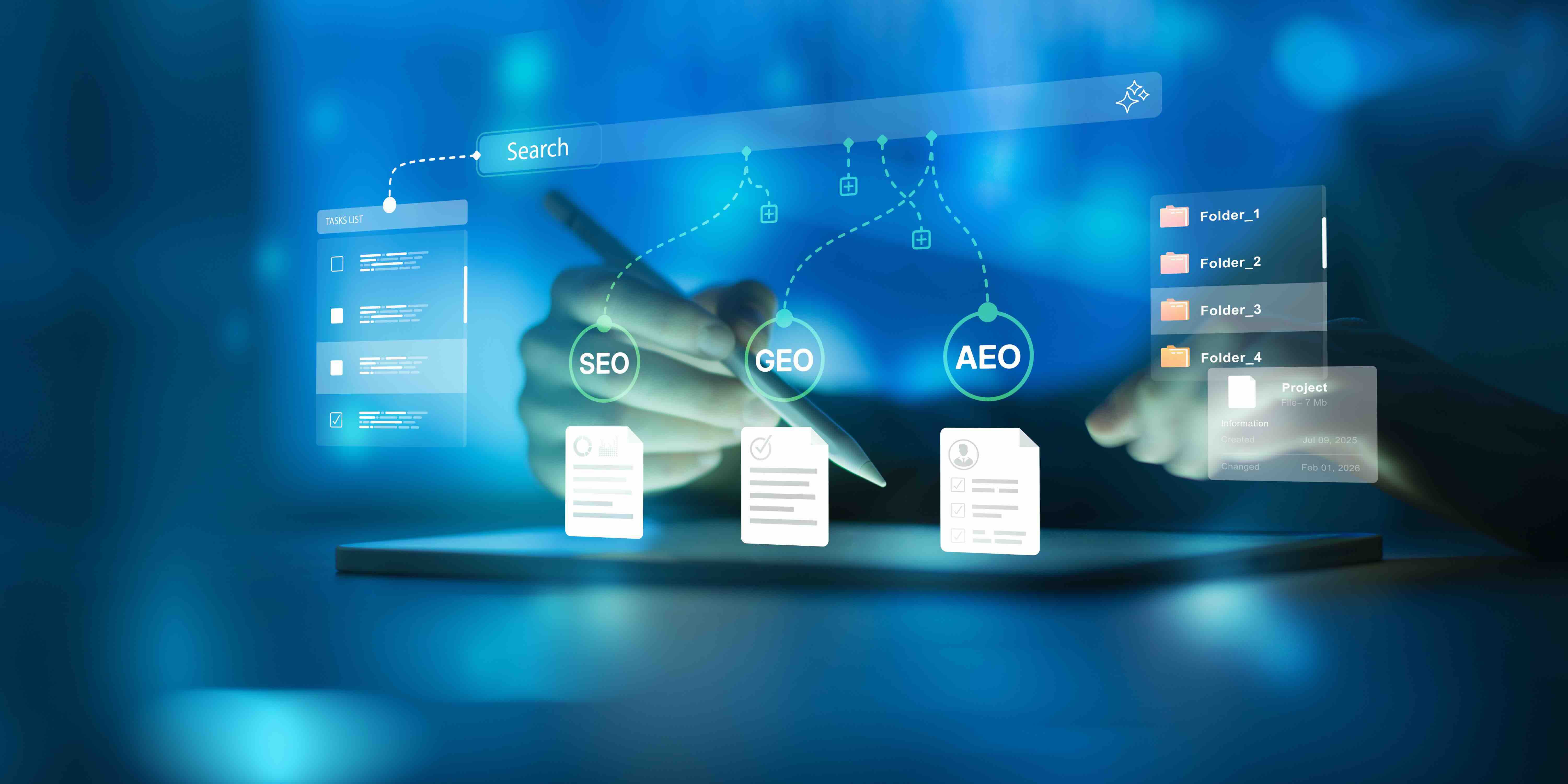
If you are running an ecommerce brand on Shopify, you have probably heard the terms conversion rate optimization and paid media thrown around a lot. Sometimes together, sometimes separately, and sometimes in ways that make them sound more complicated than they actually are. Here is the straightforward version: Shopify CRO is the practice of improving your online store so that more of your existing visitors take the action you want, usually a purchase. Paid media is how you drive qualified traffic to that store through channels like Google Ads, Meta Ads, TikTok Ads, and others. When these two disciplines work in tandem, you get something genuinely powerful: a system that brings the right people in and converts them at the highest possible rate. Separately, they each have value. Together, they create compounding returns that standalone tactics simply cannot replicate.
How Shopify CRO Actually Works
Conversion rate optimization on Shopify is part science, part behavioral psychology, and part systematic testing. It starts with data. A proper CRO engagement begins with a thorough audit of your store's analytics, heatmaps, session recordings, and funnel drop-off points. From there, hypotheses are developed around what might be causing friction in the user journey. That friction could be a slow-loading product page, a confusing checkout flow, unclear shipping information, or a lack of social proof at the right moment. Once hypotheses are formed, A/B tests or multivariate tests are launched, results are measured against statistically significant thresholds, and winning variants are implemented. The process then repeats. It is not a one-time fix. It is an ongoing discipline. On Shopify specifically, CRO practitioners work within the platform's native architecture, leverage tools like Shopify Analytics, Google Analytics 4, Hotjar, or Lucky Orange, and often work alongside developers to implement custom Liquid code changes or app integrations that support conversion improvements.
How Paid Media Works Within a Shopify Ecosystem
Paid media for Shopify brands operates across multiple channels, each serving a different role in the customer acquisition funnel. Google Shopping and Performance Max campaigns capture high-intent buyers who are actively searching for products. Meta Ads, which include Facebook and Instagram, are better suited for interest-based prospecting and retargeting audiences who have already shown some engagement with your brand. TikTok Ads have emerged as a significant channel in 2026 for brands targeting younger demographics with creative-forward video content. Pinterest Ads still hold strong value for home, fashion, and lifestyle categories. The mechanics of paid media management involve campaign architecture, audience segmentation, creative strategy, bid management, and continuous performance analysis tied to metrics like return on ad spend, cost per acquisition, and customer lifetime value. For Shopify brands specifically, paid media specialists often work with the Shopify Pixel, conversion API integrations, and dynamic product catalogs to ensure accurate attribution and campaign optimization.
The Case for Running CRO and Paid Media Together
This is where the real leverage lives. Many brands make the mistake of treating paid media and CRO as separate budget lines managed by separate teams with separate goals. The problem with that approach is that you end up optimizing in silos. Your paid media team might be driving impressive click-through rates and cost-per-click numbers, but if your landing pages are not converting, that spend is largely wasted. Conversely, if your store is well-optimized but your paid media targeting is off, you are attracting the wrong audience and your conversion improvements mean little in terms of real revenue. When a Shopify CRO and paid media agency manages both disciplines together, the feedback loop becomes continuous and productive. Paid media data informs which product pages or offers need CRO attention. CRO results inform which audience segments and creative angles are resonating. The two inform each other in ways that drive measurable, compounding growth.
Key Advantages of Working With a Shopify CRO and Paid Media Agency
There are several distinct advantages to partnering with a specialized agency that handles both disciplines under one roof, rather than splitting the work across multiple vendors or trying to manage it in-house without the necessary expertise.
- Unified strategy with no gaps between traffic acquisition and on-site conversion
- Faster testing cycles because the same team controls both the creative and the on-site experience
- Cleaner attribution because a single team manages pixel setup, tracking, and analytics across both channels
- Cost efficiency as optimized conversion rates mean your paid media budget stretches further
- Access to proprietary benchmarks and industry data that inform smarter decisions faster
- Cross-channel creative consistency that reinforces brand trust at every touchpoint
Common Drawbacks and Honest Limitations to Know Upfront
No discipline is without its challenges, and it is worth being clear about where complications tend to arise. CRO is not a quick fix. Meaningful improvements often take weeks or even months of iterative testing before statistically significant results emerge. Brands with low traffic volumes can struggle to run reliable A/B tests because you need sufficient sample sizes to validate results. Paid media, on its own, can become expensive quickly if campaign structures are not properly managed or if creative fatigue sets in without a consistent refresh cadence. Attribution continues to be a challenge across the industry in 2026, particularly in a landscape shaped by iOS privacy changes, cookieless tracking shifts, and platform-level data restrictions. Finally, not all agencies that claim expertise in both CRO and paid media actually have deep, demonstrated experience in Shopify specifically. The platform has its own quirks, limitations, and opportunities that generalist agencies often miss.
Practical Tips for Evaluating a Shopify CRO and Paid Media Partner
If you are actively looking for the right agency to partner with, there are a few things worth vetting carefully before signing any agreement. Ask to see documented case studies with specific, measurable outcomes tied to both CRO and paid media. Ask how the agency handles attribution when results are shared across both channels. Find out what their testing methodology looks like and how they determine statistical significance. Understand their creative process and how often ad creative is refreshed. Ask whether they have direct Shopify Partner certification, as that signals a formal relationship with the platform and access to resources most agencies simply do not have. And finally, make sure they are focused on business outcomes like revenue, profit margin, and customer lifetime value, not surface-level vanity metrics like impressions or clicks that look good in a report but do not move your bottom line.
What to Expect From the Onboarding Process
A well-structured Shopify CRO and paid media engagement typically begins with a comprehensive audit phase. This includes a technical review of your Shopify store, an analysis of your existing paid media accounts, a deep dive into your analytics data, and a competitive landscape review. From that foundation, a strategic roadmap is developed that outlines both the CRO testing plan and the paid media campaign strategy. The first 30 to 60 days are often focused on establishing baselines, fixing any tracking or technical issues, and launching initial tests. Months two through six tend to be where compounding improvements become visible as winning tests are implemented and campaigns are refined based on real performance data. Expect clear reporting cadences, honest communication about what is working and what is not, and a team that treats your budget as carefully as if it were their own.
Why Kreativa Group Is the Shopify CRO and Paid Media Partner Worth Considering
Kreativa Group is a Los Angeles and Miami-based marketing and creative agency with a leadership team that has managed paid media for multi-billion dollar brands including Newegg, Rakuten, and Fossil Group, and has produced creative work for globally recognized names like Sandals Resorts, Porsche, Audi, BMW, and international ad agencies such as Young and Rubicam. The team also brings startup experience, having worked with brands like Misfit Wearables and HomeLister through successful exits. That range of experience across enterprise, startup, and growth-stage businesses gives Kreativa Group a practical, outcomes-driven perspective that a lot of agencies simply cannot match. To date, they have driven over $200 million in incremental revenue, averaged more than 7x ROAS and a 4% conversion rate across their client portfolio, and launched over two dozen websites on Shopify, Webflow, and WordPress. Kreativa Group holds certifications in Google Ads, Amazon Ads, Shopify, and Webflow, placing them among the top 1% of US-based agencies across all four platforms. Most importantly, they focus on business outcomes rather than the kind of vanity metrics that look impressive but do not grow your revenue. If you are ready to see what an integrated Shopify CRO and paid media strategy can do for your brand, visit Kreativa Group's website to learn more, or take the first step by requesting a free ecommerce growth audit to identify exactly where your biggest opportunities are hiding.
Frequently Asked Questions About Shopify CRO and Paid Media
What is a good conversion rate for a Shopify store?
The average Shopify store conversion rate typically falls between 1% and 3%. A well-optimized store with a strong CRO program and qualified traffic from paid media can consistently achieve 4% or higher, depending on the product category and price point.
How long does it take to see results from Shopify CRO?
Initial insights can surface within the first 30 days, but meaningful, statistically validated improvements generally take 60 to 90 days of consistent testing. CRO is an iterative process, and the results compound over time rather than arriving all at once.
Which paid media channels work best for Shopify brands?
Google Shopping and Performance Max campaigns are highly effective for capturing purchase-intent traffic. Meta Ads are strong for prospecting and retargeting. The right channel mix depends on your audience, product type, and budget, and is best determined through a structured testing period.
Can I run paid media without doing CRO at the same time?
You can, but it is not the most efficient use of your budget. Without CRO, you may be paying to drive traffic to a store that leaks conversions at every stage of the funnel. CRO improves the return on every dollar you spend in paid media.
What metrics should I track to evaluate CRO performance on Shopify?
The primary metric is conversion rate, but you should also track average order value, add-to-cart rate, checkout initiation rate, cart abandonment rate, and revenue per session. These metrics together give you a clear picture of where improvements are happening in the funnel.
How much should a Shopify brand budget for paid media in 2026?
Budget recommendations vary significantly by brand size and goals, but a general starting point for growth-stage Shopify brands is a minimum of $5,000 to $10,000 per month in ad spend, separate from agency fees. Brands scaling aggressively often invest substantially more once positive ROAS is established.
What is ROAS and why does it matter for paid media on Shopify?
ROAS stands for return on ad spend and is calculated by dividing total revenue generated by the amount spent on ads. A 7x ROAS means that for every dollar spent on advertising, seven dollars in revenue was returned. It is one of the most important efficiency indicators in ecommerce paid media.
Do I need a Shopify-specific agency, or can a general digital marketing agency manage my store?
A Shopify-specific or Shopify-certified agency will have deeper familiarity with the platform's native tools, pixel setup, catalog structure, and conversion optimization capabilities. A general agency may overlook Shopify-specific opportunities or apply tactics that do not translate cleanly to the platform.
What is the difference between A/B testing and multivariate testing in CRO?
A/B testing compares two versions of a single element, such as a headline or button, to determine which performs better. Multivariate testing tests multiple elements simultaneously to understand how combinations of changes interact. A/B testing is simpler and typically preferred for stores that do not yet have high traffic volumes.
How does iOS privacy changes affect paid media attribution for Shopify brands?
Apple's iOS privacy updates have limited the ability of platforms like Meta to track user behavior across apps and websites, which has reduced the accuracy of platform-reported conversions. To address this, brands should implement server-side tracking through the Conversions API, use Shopify's native pixel integrations, and rely on blended attribution models rather than single-channel last-click reporting.