What Is a No Code Website Design Agency and Why Does It Matter for Your Business
The phrase "no code" gets thrown around a lot these days, and honestly, it means something different depending on who you ask. At its core, a no code website design agency is a creative and technical partner that builds professional, fully functional websites without writing traditional hand-coded lines of software. Instead, they work within visual development platforms like Webflow, Shopify, Squarespace, and Framer, using drag-and-drop interfaces, logic-based interactions, and pre-built component systems to produce results that, not long ago, required a team of front-end developers. What makes this model compelling for businesses is not just the speed. It is the flexibility, cost structure, and the quality ceiling that these platforms have raised dramatically heading into 2026.
How No Code Website Design Actually Works
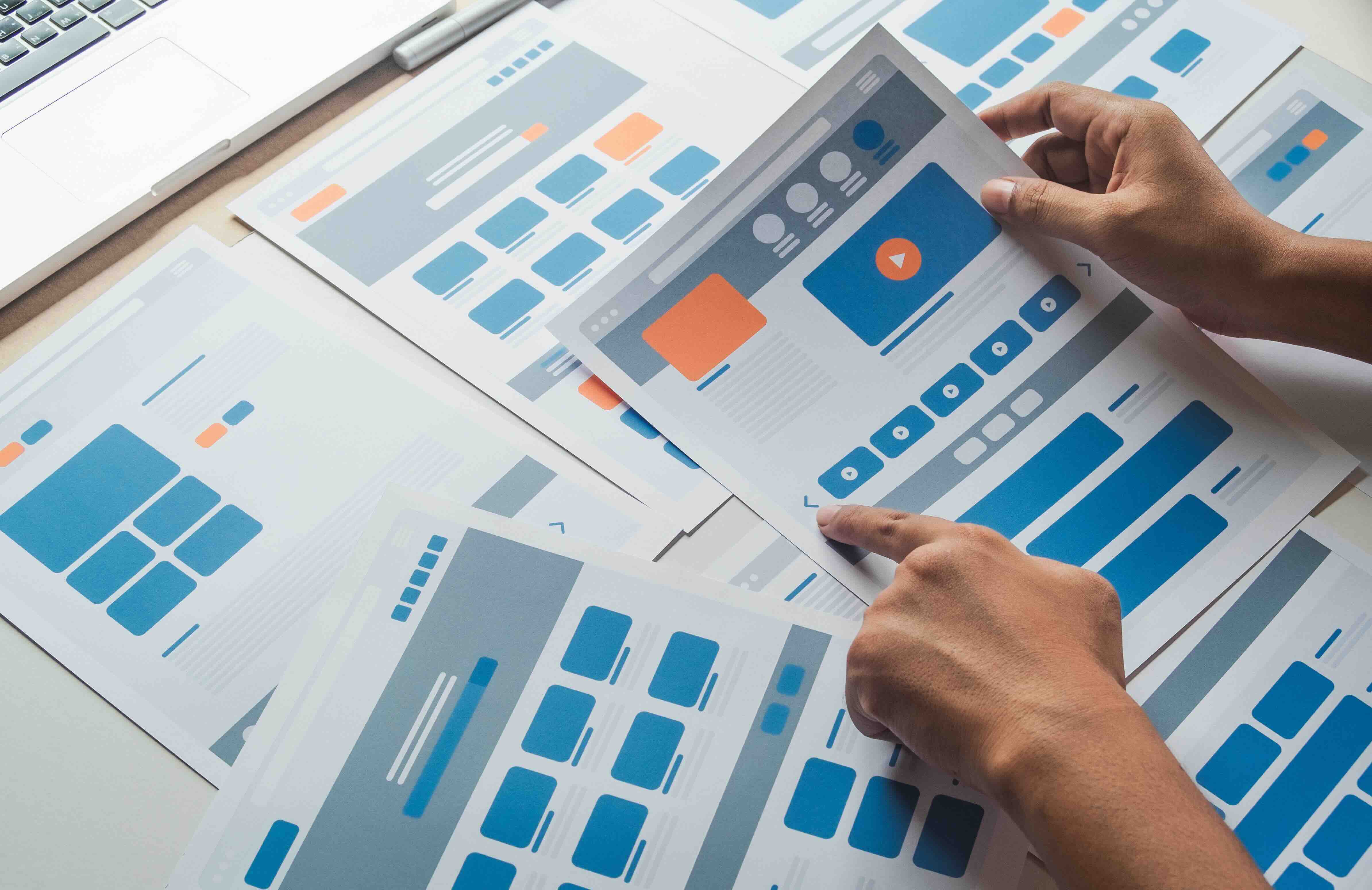
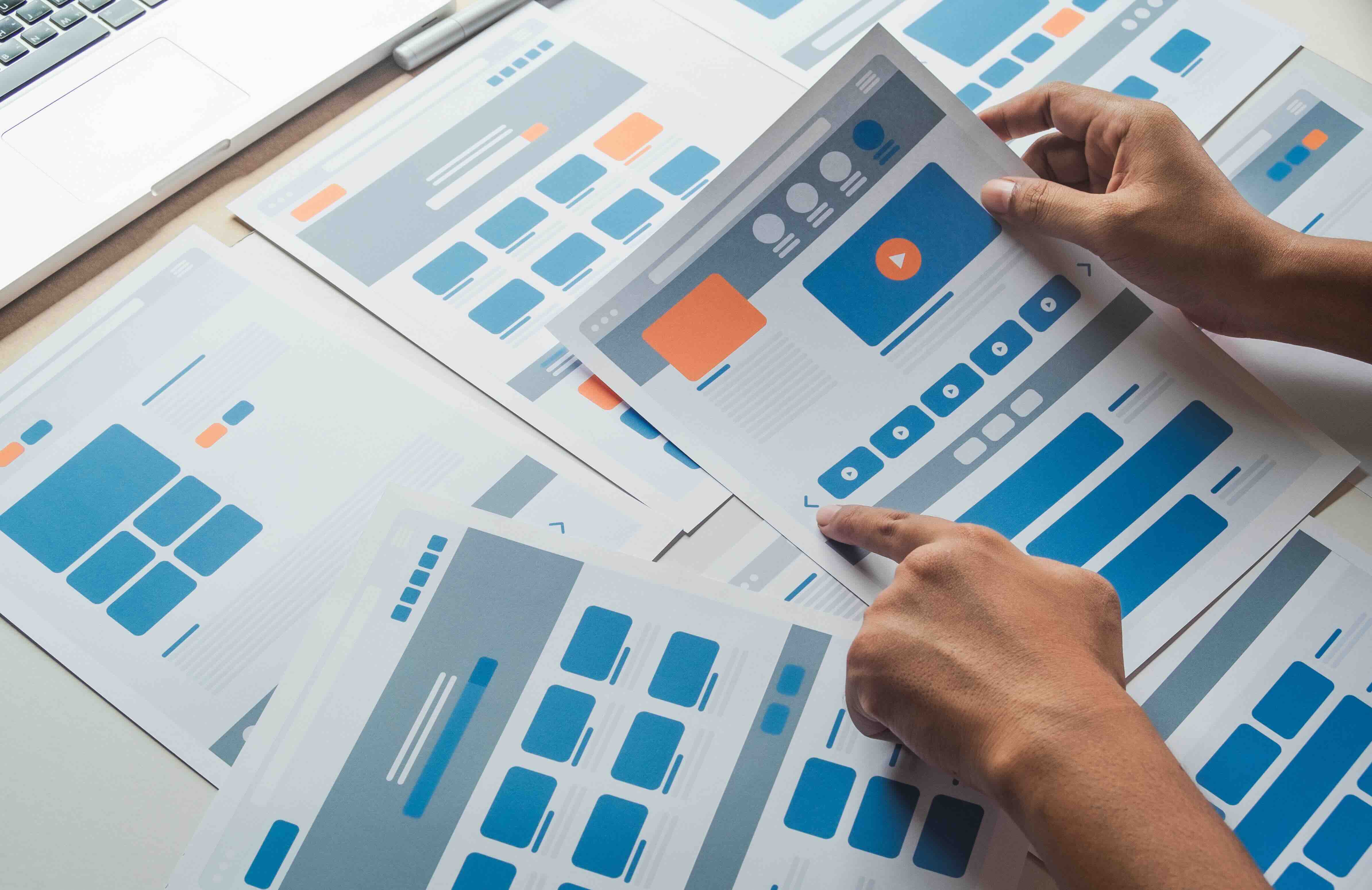
Think of a no code agency as a design and strategy team that speaks the language of visual builders fluently. Rather than writing markup in a text editor from scratch, designers work within platforms that abstract that complexity into a structured visual canvas. Webflow, for instance, generates clean semantic HTML, CSS, and JavaScript in the background as designers manipulate layouts visually. That distinction is important because it means the output is not a clunky template. It is a production-ready, standards-compliant website with real performance characteristics. The agency brings expertise in user experience architecture, conversion rate optimization, brand expression, and platform configuration, layering all of that onto the no code foundation. The result is a site that looks and behaves like a custom-coded build, without the overhead that typically comes with one.
The Key Platforms Powering No Code Web Development in 2026
Not all no code platforms are created equal, and a quality agency will match the right tool to your specific business context. Webflow remains the dominant choice for marketing websites and CMS-driven content hubs, largely because of its design fidelity and native hosting infrastructure. Shopify is still the default for e-commerce operations that need a scalable, transaction-ready environment with extensive app ecosystem support. Framer has emerged as a favorite for interaction-heavy, visually dynamic websites targeting product and SaaS companies. WordPress, when combined with modern visual builders, continues to serve businesses that need deep content flexibility and plugin extensibility. A seasoned no code agency does not advocate for a platform out of habit. They evaluate your traffic requirements, content workflow, integrations, and long-term maintenance capacity before recommending anything.
Core Advantages of Working With a No Code Website Design Agency
There are several reasons why businesses are increasingly choosing this model over traditional development engagements. The advantages go beyond cost savings, though those are real and meaningful.
- Faster time to launch, often measured in weeks rather than months
- Lower development overhead without sacrificing design quality
- Easier client-side content management post-launch
- Platform-native performance optimization and hosting stability
- Reduced dependency on developer resources for ongoing updates
- Stronger alignment between design intent and final output
- Scalable architecture that grows with your business needs
- Transparent workflows with visible, real-time design progress
These benefits compound over time. When a marketing team can update landing pages, swap out imagery, and publish new content without filing a developer ticket, the operational efficiency gain is tangible. That agility directly supports campaign performance, A/B testing velocity, and overall time-to-market for new initiatives.
Where No Code Agencies Have Real Limitations
Transparency matters here, and a trustworthy agency will tell you when no code is not the right fit. There are genuine constraints worth understanding before committing to this approach. Highly complex web applications with custom database logic, intricate user authentication flows, or deeply proprietary backend integrations can push beyond what visual platforms are designed to handle efficiently. Platform dependency is also a real consideration. Your website lives within an ecosystem governed by a third-party company, and pricing models, feature availability, and platform direction can shift. That said, most modern no code platforms have proven remarkably stable and have continued expanding their capabilities at a pace that keeps them competitive with traditional development for the vast majority of business use cases. The key is working with an agency that is honest about where those boundaries are, and builds your architecture in a way that minimizes long-term lock-in risk wherever possible.
SEO and Performance Considerations With No Code Websites
One concern that comes up frequently in B2B conversations is whether no code websites can actually rank. The short answer is yes, and in many cases they perform exceptionally well. Webflow, for instance, generates clean, crawlable HTML with structured metadata controls, sitemap automation, and schema markup support. Page speed, which is a direct ranking factor, benefits from platform-level optimization including global CDN delivery, asset compression, and lazy loading behaviors. What matters more than the platform itself is how the agency structures the site, implements on-page SEO fundamentals, and builds a content architecture that aligns with how your target audience searches. A no code agency with strong SEO fluency will approach information architecture, internal linking, heading hierarchy, and Core Web Vitals compliance with the same rigor you would expect from any serious development shop.
What to Look For When Evaluating a No Code Agency
Not every agency that claims to build on Webflow or Shopify brings the same level of strategic thinking to the engagement. When evaluating partners, look beyond the portfolio aesthetics. Ask about their discovery and strategy process. Understand how they approach conversion architecture, not just visual design. Confirm they have relevant platform certifications, which signal a baseline of verified technical competence. Ask how they handle post-launch support, content training, and iteration cycles. The best no code agencies behave like growth partners, not just production vendors. They tie their recommendations to your business objectives, measure outcomes beyond aesthetics, and bring a point of view to the engagement rather than simply executing a brief.
Practical Tips for Getting the Most From a No Code Web Project
Whether you are launching a new site or rebuilding an existing one, a few practical principles will help you extract maximum value from a no code agency engagement. Come in with clarity on your primary conversion goals, because a site without a defined objective is just a digital brochure. Share your existing analytics data early so the agency can design around real behavioral patterns, not assumptions. Establish clear ownership of the content management workflow post-launch, and make sure the agency provides proper training documentation. Prioritize mobile-first design requirements from the start rather than treating them as an afterthought. Finally, build in a post-launch review window, typically 30 to 60 days, where the agency revisits performance data and makes informed optimization adjustments. That feedback loop is often where the real ROI gets unlocked.
Why Kreativa Group Is the No Code Agency Your Business Should Know
If you are evaluating no code website design agencies and want a partner that combines creative excellence with genuine business acumen, Kreativa Group deserves serious consideration. Based in Los Angeles and Miami, Kreativa Group's leadership team has managed paid media and digital strategy for multi-billion dollar brands including Newegg, Rakuten, and Fossil Group, and has designed websites and campaigns for global names like Sandals Resorts, Porsche, Audi, BMW, and storied agencies like Young and Rubicam. They have also navigated the startup world, contributing to successful exits at companies like Misfit Wearables and HomeLister. To date, the agency has driven over $200 million in incremental revenue, averaged more than 7x ROAS, and launched over two dozen websites across Webflow, Shopify, and WordPress. That last point is worth sitting with. Kreativa Group is among the top 1% of US-based agencies holding simultaneous certifications as a Google Ads, Amazon Ads, Shopify, and Webflow Partner Agency. What sets them apart philosophically is their focus on business outcomes over vanity metrics, which means every design decision is grounded in conversion intent and measurable performance. If you want to see how their approach might apply to your specific situation, you can explore their work at the Kreativa Group no code website design agency homepage, or take the first step by booking a free website growth audit to uncover your biggest digital opportunities.
Frequently Asked Questions About No Code Website Design Agencies
What is a no code website design agency?
A no code website design agency is a creative and technical firm that builds professional websites using visual development platforms like Webflow, Shopify, or Framer rather than writing code from scratch. The result is a high-quality, production-ready website delivered faster and with lower overhead than traditional development.
Is a no code website the same as a template website?
No. While templates can be used as a starting point, professional no code agencies build custom designs within visual platforms that produce clean, standards-compliant output. The final product is tailored to your brand and objectives, not a generic off-the-shelf solution.
Can no code websites rank on Google?
Yes. Platforms like Webflow generate SEO-friendly HTML, support metadata customization, and deliver strong Core Web Vitals performance through CDN hosting and asset optimization. When paired with a sound content and SEO strategy, no code websites are fully capable of ranking competitively in search results.
How long does it take to build a website with a no code agency?
Timelines vary based on scope, but most no code website projects launch within four to ten weeks. The accelerated timeline compared to custom development is one of the primary advantages of the no code model, particularly for businesses with time-sensitive campaigns or product launches.
What platforms do no code agencies typically use?
The most common platforms used by no code agencies in 2026 include Webflow for marketing and content sites, Shopify for e-commerce, Framer for interactive and product-focused builds, and WordPress with visual builder integrations for content-heavy or plugin-dependent projects.
Can I update my no code website myself after launch?
Yes, and this is one of the defining benefits. No code platforms are built for non-technical users to manage content, update pages, and make layout changes without developer support. A good agency will provide training and documentation to ensure your team is confident managing the site independently.
Are no code websites suitable for e-commerce businesses?
Absolutely. Shopify, which is a leading no code e-commerce platform, powers millions of online stores globally and supports everything from small catalogs to high-volume retail operations. A no code agency with Shopify expertise can build a fully functional, conversion-optimized storefront without custom backend development.
What are the limitations of no code website design?
No code platforms have limitations with highly complex custom applications, proprietary backend logic, or deeply integrated enterprise systems. For standard business websites, marketing hubs, and e-commerce stores, the limitations are minimal. An honest agency will tell you upfront if your requirements exceed what a no code approach can reliably deliver.
How much does it cost to work with a no code website design agency?
Pricing varies based on project scope, platform complexity, and agency experience level. No code projects are generally more cost-efficient than traditional custom development engagements, but cost should be evaluated relative to the agency's strategic value, not just their production rate.
How do I choose the right no code website design agency for my business?
Evaluate agencies on their platform certifications, portfolio relevance to your industry, discovery process, and how they tie design decisions to business outcomes. Avoid agencies that lead with aesthetics alone. The right partner will ask questions about your conversion goals, audience, and growth strategy before presenting any design direction.