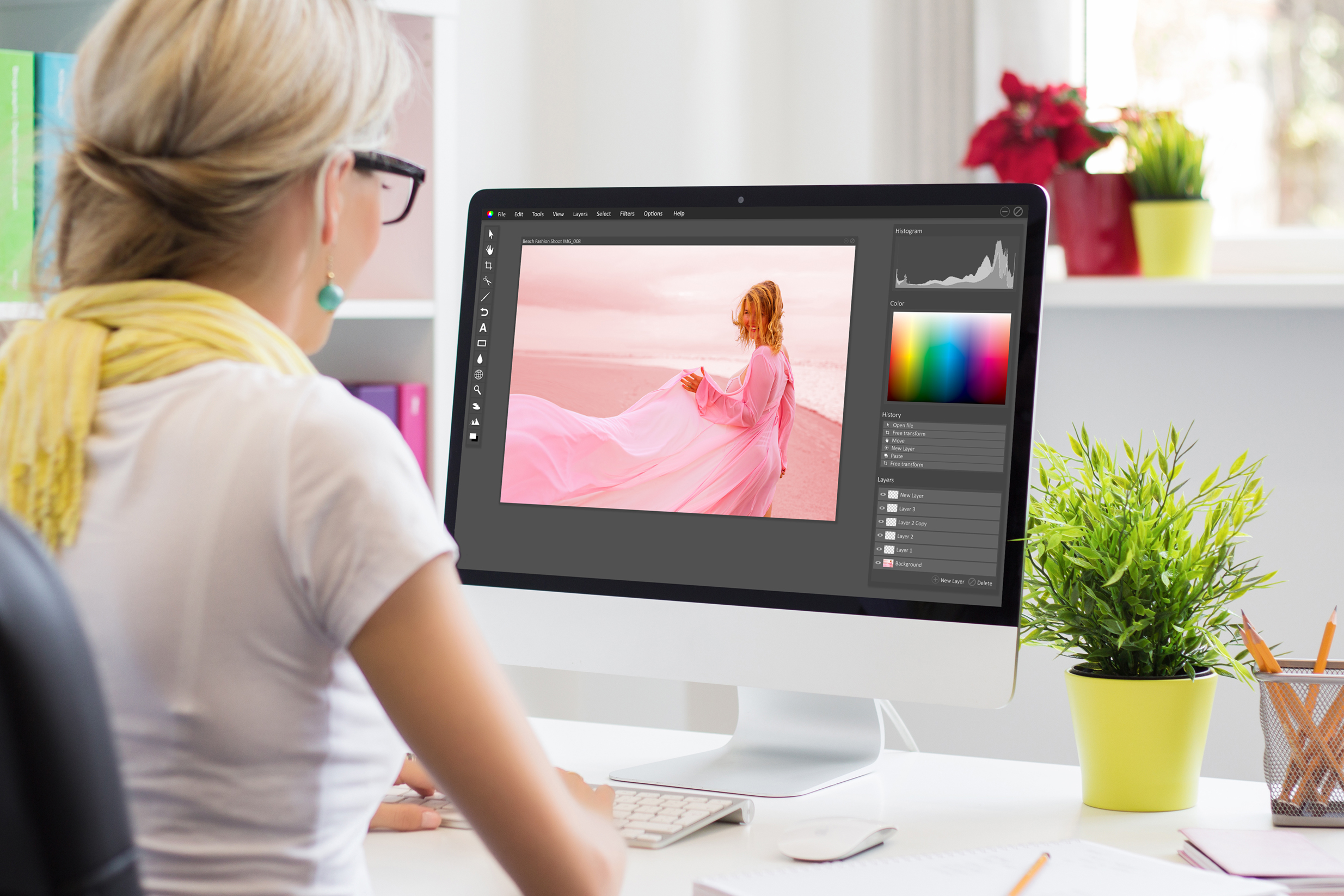
What Is Image Optimization and Why Does It Matter for Your Website?
If your website feels slow, there is a good chance your images are the reason. Image optimization is the process of reducing file sizes and delivering visual assets in the most efficient format possible, without sacrificing the quality your audience actually sees. It sounds straightforward, and in theory it is, but the execution involves a layered set of technical decisions that can either quietly tank your site's performance or give it a serious competitive edge. For marketing and creative agencies working with clients whose brands live and breathe visual identity, getting image optimization right is not optional. It is foundational.
How Image Optimization Works: The Technical Side Explained Simply
At its core, image optimization works by reducing the amount of data a browser needs to download before it can render your page. There are a few different mechanisms at play here. Compression is the most well-known, and it comes in two forms: lossy compression, which permanently removes certain image data to shrink file size, and lossless compression, which reduces size without discarding any data. Then there is format selection. In 2026, next-generation formats like WebP and AVIF have become the practical standard, delivering significantly smaller file sizes compared to legacy formats like JPEG and PNG while maintaining sharp, accurate visuals. Responsive images are another layer of this, where different sized versions of the same image are served based on the user's screen size and resolution. Combined, these approaches reduce page weight, improve load times, and directly influence how search engines and real users experience your site.
The Connection Between Image Optimization and Core Web Vitals
Google's Core Web Vitals are the set of performance signals that directly influence organic search rankings, and images play an outsized role in several of them. Largest Contentful Paint, or LCP, measures how long it takes for the largest visible element on the page to load. That element is almost always an image, typically a hero banner or featured product photo. When that image is not optimized, LCP scores suffer, which drags down the entire page's performance in search. Cumulative Layout Shift, or CLS, is another metric where unoptimized images cause problems. If width and height attributes are not explicitly defined in the image tag, the browser does not reserve the appropriate space during load, causing the layout to visually jump as images load in. These are not minor nuisances. They translate directly into ranking losses and user frustration.
Key Advantages of Proper Image Optimization
The benefits of image optimization reach further than most businesses initially expect. When implemented correctly, it delivers measurable improvements across performance, search visibility, and user experience simultaneously. Here is a practical breakdown of what it actually does for your business:
- Faster page load times across all devices and connection speeds
- Improved LCP scores, which support stronger organic search rankings
- Reduced bandwidth usage, which lowers hosting costs at scale
- Higher engagement rates because users are less likely to abandon a slow page
- Better conversion rates, since faster sites consistently outperform slower ones
- Improved accessibility for users on lower-powered devices or limited data plans
- Reduced carbon footprint from leaner, more efficient page loads
For agencies managing digital experiences for multiple clients, these improvements compound quickly. A few hundred milliseconds shaved off load time can represent a meaningful lift in conversion rate, and that kind of result is easy to attribute and communicate to stakeholders.
Common Drawbacks and Limitations to Be Aware Of
Image optimization is not without its complications, and it is worth being honest about where things can get tricky. Lossy compression, if applied too aggressively, can visibly degrade image quality, which is a real risk for brands where visual fidelity is tied directly to perception of quality. Format compatibility also requires attention. While WebP and AVIF have strong browser support in 2026, certain legacy environments may still require fallback delivery logic. Managing responsive images adds complexity to the development workflow, particularly when a content management system does not natively support automatic resizing and format conversion. And then there is the ongoing maintenance challenge. As content teams upload new imagery over time, manually optimizing every asset is not realistic at scale. Without automated pipelines in place, image bloat tends to quietly creep back in, undoing earlier gains and creating a performance debt that is difficult to reconcile later.
Lazy Loading and CDN Delivery: Two Tactics That Amplify Results
Two techniques pair exceptionally well with image optimization and are worth understanding as part of a broader performance strategy. Lazy loading is a browser-native behavior that defers the loading of images until they are about to enter the user's viewport. This means images below the fold do not consume bandwidth or block rendering during the initial page load. It is a low-lift implementation that has a meaningful impact on perceived performance, particularly on content-heavy pages. Content Delivery Networks, or CDNs, solve a different but related problem. A CDN stores copies of your optimized images across a globally distributed network of servers, so when a user in Toronto requests your image, it is served from a node close to them rather than a server sitting in a data center across the country. Reduced physical distance means reduced latency, which means faster delivery. When CDN delivery and lazy loading are layered on top of a well-optimized image library, the cumulative performance improvement is substantial.
Practical Implementation Tips for Marketing and Creative Teams
Getting image optimization right does not require rebuilding your entire site from scratch, but it does require intentional decisions at both the technical and workflow level. A few principles that should guide implementation:
- Always specify explicit width and height attributes on image elements to prevent layout shift
- Use next-generation formats like WebP or AVIF as your default, with JPEG fallbacks where necessary
- Implement responsive image srcset attributes so browsers serve appropriately sized assets per device
- Compress images before upload using tools that support both lossy and lossless workflows
- Set up automated image optimization within your CMS or CDN pipeline to catch new uploads at the source
- Audit your existing image library using performance tools to identify assets that are oversized or in outdated formats
- Apply lazy loading to all below-the-fold imagery, but never to your LCP image, which needs to load immediately
These are not complex changes individually, but they do require coordination between design, development, and content teams to stick over time. The technical implementation is only half the battle. The other half is making sure the process holds as the site evolves.
How Image Optimization Fits Into a Broader Page Speed Strategy
Image optimization is one of the highest-impact levers in page speed, but it does not operate in isolation. A well-performing site also depends on efficient code delivery, proper caching configurations, minimal render-blocking resources, and server response times that do not create upstream delays before the browser even starts loading assets. Think of image optimization as a foundational layer. It removes one of the heaviest contributors to page weight and load time, which then allows other optimizations to produce their full effect. For agencies advising clients on performance, the sequencing matters. Start with images because the gains are immediate and visible, then work outward into JavaScript optimization, font loading strategies, and server-side performance improvements. The compounding effect of addressing these in layers is where you find the most dramatic before-and-after results.
Why Kreativa Group Is the Right Partner for Page Speed and Performance Optimization
This is not the kind of work where you want to figure things out through trial and error on a live site. Performance optimization, including image optimization, requires a team that understands both the technical mechanics and the business implications of every decision being made. Kreativa Group brings that combination. Based in Los Angeles and Miami, Kreativa Group is a marketing and creative agency with a leadership team that has managed digital experiences for some of the world's most recognized brands, including Sandals Resorts, Porsche, Audi, and BMW, and has driven over $200 million in incremental revenue for clients across industries. The agency holds certifications in Google Ads, Amazon Ads, Shopify, and Webflow, placing it among the top 1% of US-based agencies across all four platforms. What separates Kreativa Group from the field is a deliberate focus on business outcomes rather than vanity metrics. Faster pages mean better rankings, lower bounce rates, and higher conversion rates. Those are outcomes that matter to your bottom line, and that is the frame through which Kreativa Group approaches every engagement. If you are ready to understand where your site stands right now, the best first step is a free growth audit from Kreativa Group, which delivers a clear picture of your current performance gaps and the opportunities available to you. Or if you simply want to learn more about the agency's approach and capabilities, start by exploring Kreativa Group's full range of digital marketing and creative services.
Frequently Asked Questions About Image Optimization
What is image optimization in the context of web performance?
Image optimization is the process of reducing image file sizes and delivering them in the most efficient format and dimensions possible, so pages load faster without visible quality loss. It involves compression, format selection, responsive delivery, and proper caching strategies.
Does image optimization actually affect search engine rankings?
Yes, directly. Google's Core Web Vitals, particularly Largest Contentful Paint, are significantly influenced by image load performance. Poorly optimized images lower LCP scores, which negatively impacts organic search rankings.
What is the difference between lossy and lossless image compression?
Lossy compression permanently removes image data to achieve smaller file sizes, which can reduce visual quality if applied too aggressively. Lossless compression reduces file size without removing any data, preserving full image quality at the cost of smaller size reductions.
What image formats should I be using in 2026?
WebP and AVIF are the recommended formats in 2026 due to their superior compression efficiency compared to JPEG and PNG. Both offer smaller file sizes with comparable or better visual quality, with AVIF generally producing the smallest files at equivalent quality levels.
What is lazy loading and should I apply it to all images?
Lazy loading defers image loading until the asset is about to enter the user's viewport, reducing initial page load time. It should be applied to below-the-fold images only. Your Largest Contentful Paint image, typically the hero or header image, should never be lazy loaded because it needs to render immediately.
How does a CDN help with image delivery?
A Content Delivery Network stores copies of your images on servers distributed globally, so users receive assets from a server physically close to their location. This reduces latency and speeds up image delivery, particularly for international audiences or traffic from diverse geographic regions.
Can image optimization improve conversion rates?
Yes. Faster-loading pages reduce bounce rates and improve user experience, both of which positively influence conversion rates. Research consistently demonstrates that even incremental improvements in page load time produce measurable lifts in conversions, particularly on e-commerce and landing pages.
How do I know if my site's images need optimization?
Tools like Google PageSpeed Insights, Lighthouse, and WebPageTest will flag oversized images, unoptimized formats, and missing responsive image attributes. These audits provide specific recommendations and quantify the potential performance improvement from addressing each issue.
Is image optimization a one-time fix or an ongoing process?
It is ongoing. While an initial audit and optimization pass can produce significant improvements, new images uploaded by content teams can reintroduce performance issues if there is no automated pipeline in place. Sustainable image optimization requires both a technical setup and a content workflow that enforces best practices on every upload.
How long does it typically take to see results from image optimization?
Core Web Vitals scores and page speed improvements can be measured almost immediately after implementation. Organic search ranking improvements tied to those score gains typically become visible within four to eight weeks, depending on how frequently Google crawls and re-evaluates the affected pages.