How Long Does It Take to Build a Website? A Realistic Timeline for B2B Decision-Makers
If you have ever asked an agency or developer how long it takes to build a website and received a frustratingly vague answer, you are not alone. The honest truth is that website build timelines vary considerably depending on scope, complexity, platform, content readiness, and the team executing the work. That said, there are reliable patterns and industry benchmarks that can help you plan more effectively. Whether you are launching a brand new digital presence or overhauling an outdated one, understanding what drives a website timeline gives you real leverage in the process. So let us get into it.
The Short Answer: It Depends on What You Are Actually Building
A simple five-page brochure website on a platform like Webflow or WordPress can realistically be completed in two to four weeks when the content is ready and decisions are made quickly. A mid-tier business website with custom design, CMS integration, and a handful of landing pages typically runs six to twelve weeks. A complex enterprise website with custom functionality, e-commerce infrastructure, API integrations, and multilingual support can take anywhere from four to nine months. The variable that most clients underestimate is not the design or development work itself. It is the back-and-forth, the content delays, the stakeholder approvals, and the scope additions that quietly stretch timelines. Understanding those friction points is just as important as understanding the build phases themselves.
Breaking Down the Website Build Phases
Every professional website project moves through a series of distinct phases, and each one requires time, attention, and input from both the agency and the client. Rushing through any single phase tends to create problems downstream that cost more time to fix than they would have taken to address properly from the start. Here is a realistic breakdown of the major phases involved in a standard web build.
- Discovery and Strategy (one to two weeks): This phase covers stakeholder alignment, competitive research, sitemap development, and defining success metrics. It sounds like overhead, but it is actually where the most expensive mistakes are prevented.
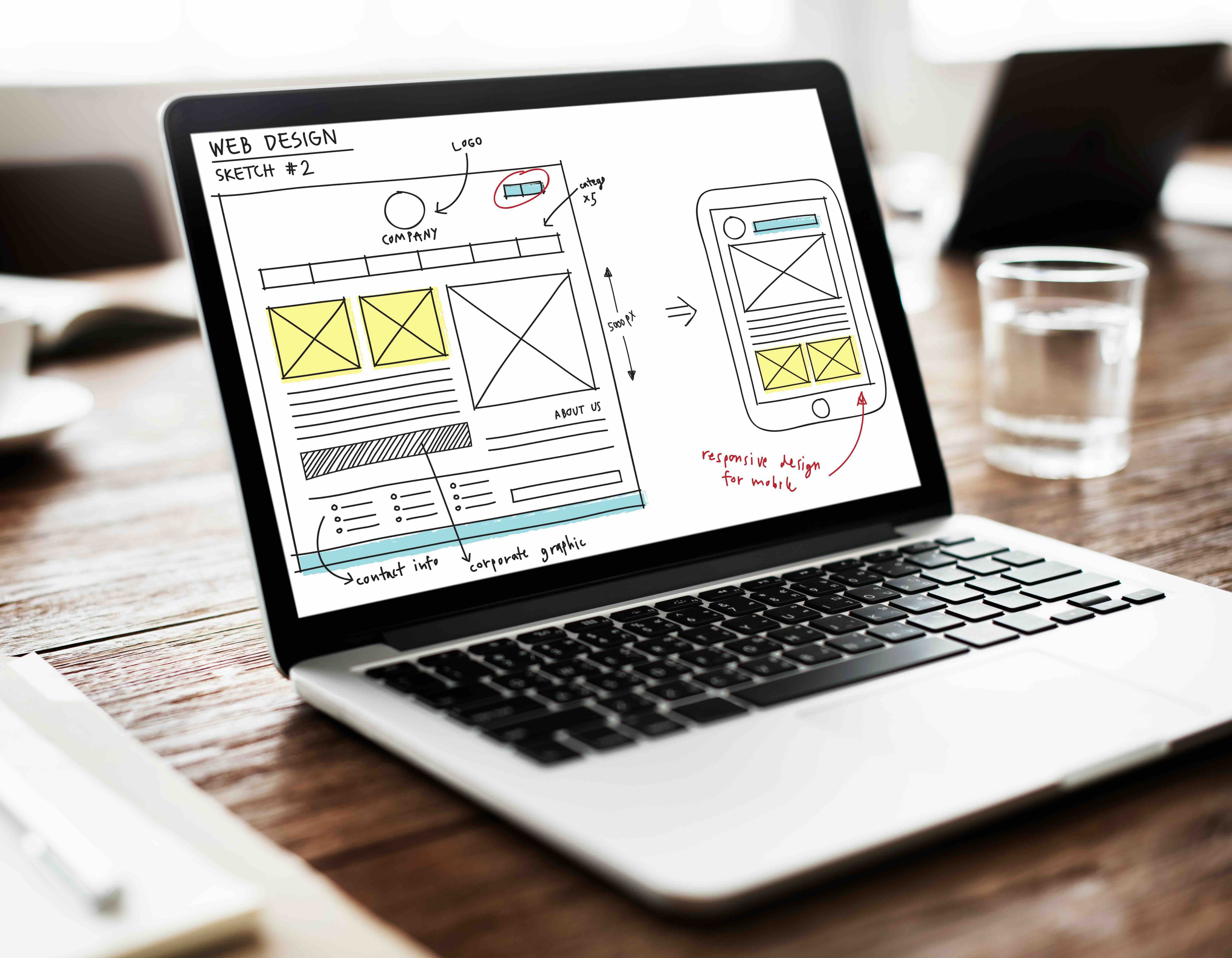
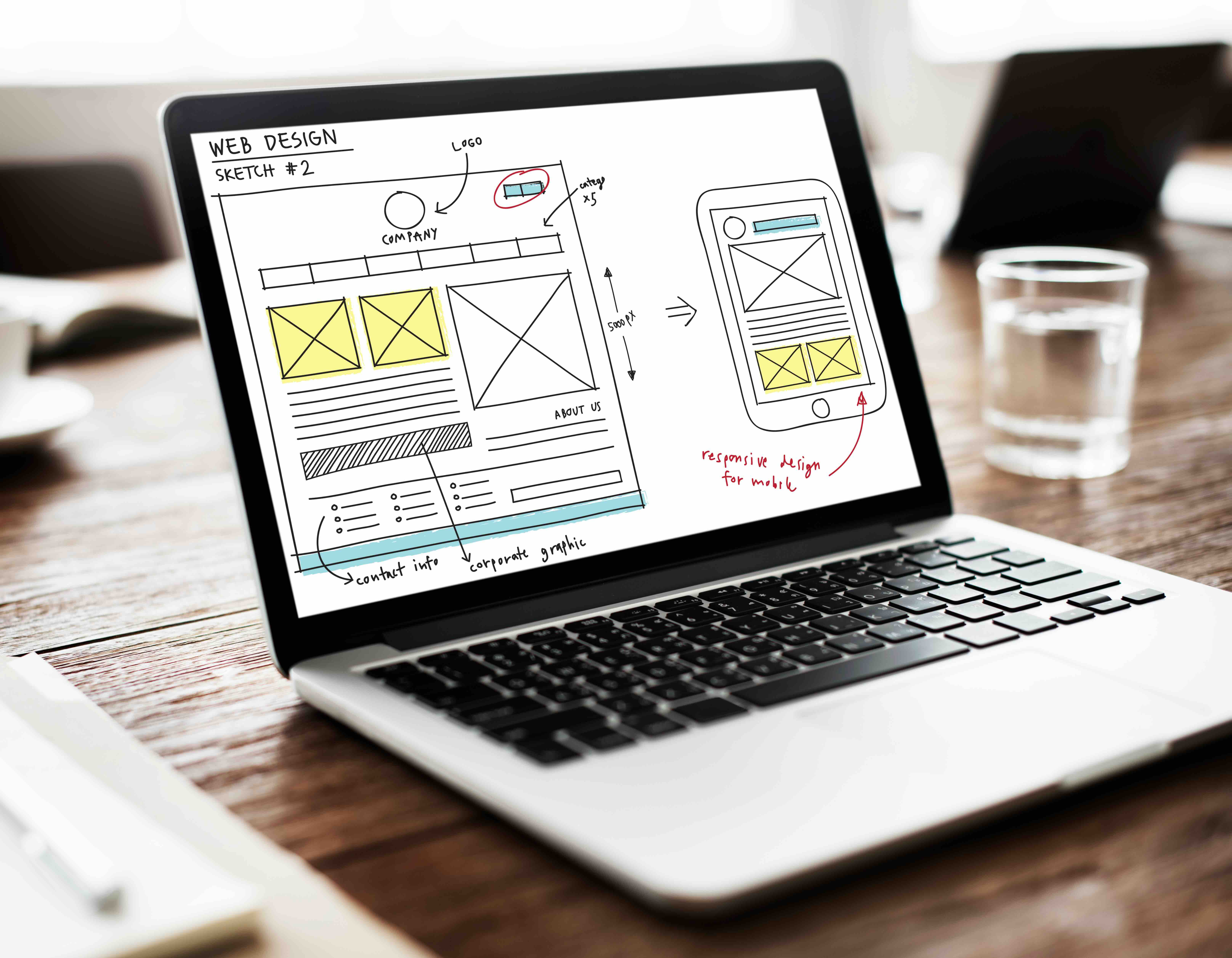
- Design and Wireframing (two to four weeks): Low-fidelity wireframes come first, followed by high-fidelity mockups. Rounds of revision are normal and expected. Plan for two to three rounds minimum.
- Development and Build (three to eight weeks): This is where the design gets translated into a functioning website. Platform configuration, template customization or custom builds, responsive behavior, and CMS setup all live here.
- Content Integration (one to three weeks): Copy, imagery, video, and other assets get loaded and formatted. This phase is often bottlenecked by content that is not ready on time.
- Quality Assurance and Testing (one to two weeks): Cross-browser testing, mobile responsiveness checks, load speed audits, accessibility reviews, and functional testing occur here.
- Launch and Post-Launch (one week): DNS propagation, final checks, analytics validation, and any immediate fixes following the go-live moment.
What Actually Slows Down a Website Build
There is a common misconception that the agency or the development team is the primary bottleneck in most web projects. In practice, the delays that cause the most timeline slippage come from the client side. Content is the most frequent culprit. When copy, photography, logos, and brand guidelines are not ready at the start of the project, development stalls. Decision fatigue is another real factor. When multiple stakeholders are involved in approvals and no single decision-maker has final authority, feedback rounds spiral. Scope creep, which happens when new features or pages get added mid-project without adjusting the timeline or budget, is the third major contributor to delays. Clear project management, defined deliverable windows, and a focused point of contact on the client side can realistically shave weeks off a build.
Platform Choice Has a Direct Impact on Build Time
The platform you build on matters more than most people realize, not just from a performance and scalability standpoint but from a pure timeline perspective. WordPress is flexible and widely supported, but it requires more setup time, plugin configuration, and security hardening before it is production-ready. Shopify is purpose-built for e-commerce and can move faster for online retail builds, though custom functionality still requires development time. Webflow occupies an increasingly valuable middle ground: it offers design flexibility and a clean CMS without the technical overhead of traditional development environments. In 2026, Webflow has become a preferred platform for many marketing and creative agencies because it allows designers and developers to work in a more unified workflow, which compresses timelines without sacrificing quality or control. Choosing the right platform for your specific needs upfront eliminates costly migrations and rebuilds later.
The Role of Content Readiness in Your Website Timeline
This deserves its own section because it is that important. A website is ultimately a content delivery vehicle. The structure, design, and code are all in service of communicating something to someone. When that content does not exist or is not finalized, the entire build process becomes reactive. Agencies can work with placeholder content to a degree, but final layout decisions, typography sizing, and image placement are all informed by real content. The most efficient website projects are ones where the client has invested in copywriting and content strategy before or parallel to the design phase. If your internal team is handling copy, assign it to someone with dedicated time and clear deadlines. If that is not realistic, hiring a copywriter alongside your web agency is money well spent.
Key Advantages of Planning Your Website Timeline Properly
When you approach a website build with a realistic timeline and a structured process, the benefits extend well beyond just launching on schedule. A properly paced build allows for genuine strategic thinking at each phase rather than reactive decision-making under pressure. It gives your team time to test, refine, and validate before anything goes live. It reduces the likelihood of post-launch technical issues that damage user experience and search engine performance. It also creates an environment where the creative work can actually be creative, where design decisions are made thoughtfully rather than under deadline panic. The business outcomes of a well-built site, including higher conversion rates, stronger organic search visibility, and lower bounce rates, are directly tied to the quality of the process behind it.
Common Drawbacks and What to Watch Out For
Not every website project runs smoothly, and it is worth being clear-eyed about where things tend to go wrong. Underestimating scope is the most common issue. A website that seems simple in the brief often reveals layers of complexity once the project is underway. Fixed-price contracts with no change order process can create tension when that happens. Communication gaps between the agency and client team create misalignment that surfaces during review rounds and requires rework. Inadequate QA time is another common pitfall. Rushing to launch without thorough testing often results in broken functionality, poor mobile performance, or accessibility issues that require immediate fixes post-launch. Finally, ignoring SEO architecture during the build phase is a mistake that is expensive to correct retroactively. Technical SEO should be integrated from the beginning, not bolted on at the end.
Realistic Website Timeline Benchmarks by Project Type
To give you a concrete reference point, here are general timeline ranges based on project complexity that reflect what reputable marketing and creative agencies typically deliver in 2026.
- Simple brochure website (3 to 5 pages): 2 to 4 weeks
- Small business website (5 to 15 pages): 4 to 8 weeks
- Mid-size business website with CMS and blog: 8 to 14 weeks
- E-commerce website (Shopify or WooCommerce): 10 to 20 weeks
- Enterprise or custom-built platform: 4 to 9 months
These ranges assume an experienced agency team, a reasonably responsive client, and content that is either ready or being developed in parallel. Add two to four weeks for any significant delays in feedback, content, or approvals.
Why Kreativa Group Is the Right Partner for Your Website Build
If you are planning a website build and want a team that brings genuine strategic depth alongside strong creative and technical execution, Kreativa Group is a marketing and creative agency built for exactly this kind of work. Based in Los Angeles and Miami, Kreativa Group has designed and developed websites for global brands including Sandals Resorts, Porsche, Audi, and BMW, and has launched over two dozen websites across Webflow, Shopify, and WordPress platforms. The leadership team has managed digital growth for multi-billion dollar companies like Newegg, Rakuten, and Fossil Group, and has driven over 200 million dollars in incremental revenue with an average of more than 7x ROAS. Kreativa Group is among the top one percent of US-based agencies certified across Google Ads, Amazon Ads, Shopify, and Webflow. What makes the difference is not just the credentials. It is the focus on business outcomes rather than vanity metrics. If you want to understand exactly where your digital presence stands before committing to a full build, you can request a free growth audit to identify where your website and marketing strategy have the most room to grow.
Frequently Asked Questions About Website Build Timelines
How long does it take to build a basic business website?
A basic business website with five to ten pages typically takes four to eight weeks from kickoff to launch, assuming content is ready and feedback is provided on time.
What is the biggest factor that delays a website build?
Content readiness is consistently the most common cause of delays. When copy, images, and brand assets are not finalized before the build begins, the entire project slows down.
Does the platform affect how long a website takes to build?
Yes, significantly. Webflow and Shopify generally allow for faster build cycles than highly customized WordPress or custom-coded solutions, though complexity always plays a role regardless of platform.
How long does an e-commerce website take to build?
A standard e-commerce website typically takes ten to twenty weeks, depending on the number of products, payment integrations, custom functionality, and the platform being used.
Can a website be built in under two weeks?
In rare cases, a very simple landing page or minimal brochure site can be completed in under two weeks, but this generally requires the client to have all content ready and a streamlined approval process in place.
How many rounds of revisions are typical in a website project?
Most professional web projects include two to three rounds of design revisions per major deliverable. Additional rounds are possible but typically affect the timeline and sometimes the budget.
Should SEO be considered during the website build or after?
SEO should be integrated from the beginning of the build, not added after launch. Site architecture, URL structure, page speed, and metadata are all most effectively addressed during the development phase.
What happens if the scope of the website changes mid-project?
Scope changes mid-project almost always extend the timeline and may affect the budget. Any additions to the original scope should be documented through a formal change order process to keep expectations aligned.
How do I prepare for a website build to avoid delays?
Finalize your copy and content before kickoff, designate a single decision-making point of contact, complete your brand guidelines, and have a clear list of required functionality documented before the project begins.
How long does a website redesign take compared to a new build?
A redesign can sometimes move faster than a new build if the content and sitemap structure are being preserved, but if the redesign involves significant structural changes or a platform migration, the timelines are often comparable to a new build entirely.